Shining Force
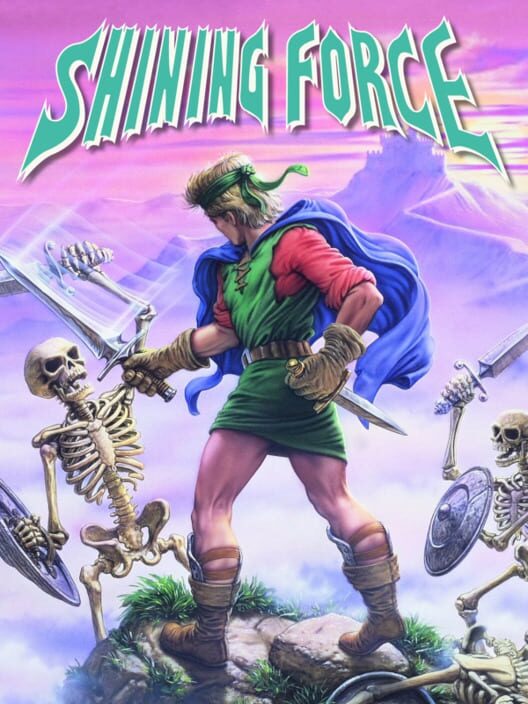
Released in 1992 for the Mega Drive, Shining Force combines top-down exploration with turn-based tactical combat, featuring a party with complementary classes and abilities.
Developer Sonic! Software Planning, Climax Entertainment Publisher Sega
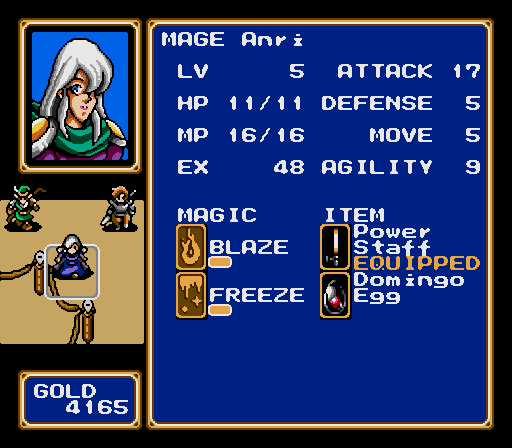
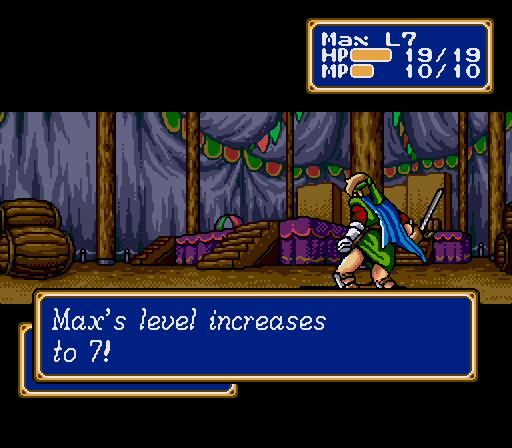
What immediately strikes you upon first handling this game is its graphical design. Everything is meticulously crafted, allowing you to distinctly recognize characters despite the small sprites representing them. The backgrounds are simple yet easily identifiable, making the game visually pleasant. The developers took visual design to its limits. Thus, all menus and choices feature representative icons, greatly facilitating comprehension and navigation.
The view, like many role-playing games of the era, is top-down. This is even more enjoyable during combat phases, as it is a tactical role-playing game. You will need to move your companions and your avatar on a chessboard-like grid, acting as a skilled strategist. Each character has unique traits that vary depending on their class (warrior, mage, archer, etc.) and equipment. You will therefore need to devise an appropriate tactic for each battle by forming the best possible formation and considering your opponents' strengths and weaknesses. Some terrain types may slow down your march toward victory, but you must also weigh the strengths or weaknesses of your party, such as spells, ranged attacks, the defense of your front line, etc.
Let’s move on to the plot. It is divided into eight chapters that alternate between combat and exploration phases, gradually revealing the story. While not particularly original—you will have to prevent a warring kingdom from reviving a terrible creature forgotten for centuries, the merciless Black Dragon—the latter holds up well.
You will then recruit the bravest warriors into your Shining Force and thwart the demonic plans of Darksol.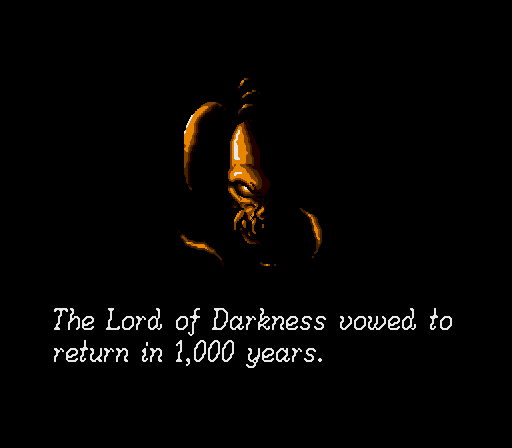
This is precisely where the game draws its interest. Throughout the adventure, you will encounter characters you can recruit into your team, thereby improving—or not—your small army. You will of course need to develop the various protagonists you deem most capable of fulfilling your quest.
The title features well-orchestrated music despite the limited sound hardware of the Sega 16-bit console. Unfortunately, these melodies are not numerous enough to prevent constant repetition, which quickly becomes annoying.
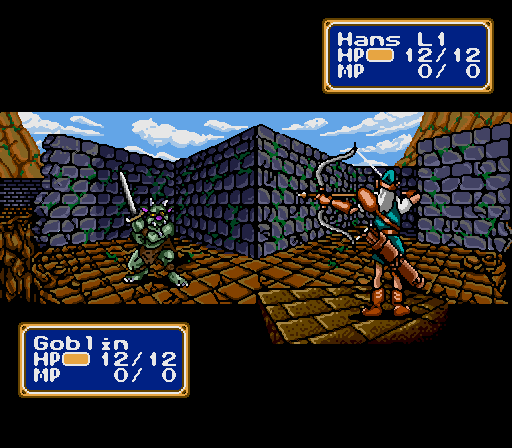
Overall, Shining Force is an excellent game that laid the foundation for tactical RPGs, at least for Europeans who had not previously had the opportunity to experience this genre (outside of imports). Despite minor flaws such as repeated music tracks likely due to the studio's youth, there is great enjoyment in managing your soldiers and devising your own tactics. There is no single way to finish the game, and even if the story does not offer multiple endings, the most demanding players will replay it primarily to discover all the characters.
Before concluding, it should be noted that while Sega did not deem it necessary to translate the game for France, this was eventually done during the Game Boy Advance re-release, with minor graphical enhancements but unfortunately no new musical content.
Where it fits in time
The whole timelineWhat came out and what happened around 1992.
-
System 7 modernises the Mac
Virtual memory, file sharing, AppleScript: System 7 is the first major overhaul of the Macintosh system.
-
Amstrad NC
Computer · Amstrad
-
Executor, the Mac on a PC
ARDI releases Executor 1.0: a 68k emulator that reimplements the Macintosh Toolbox rather than the hardware.
Play it on a Mac
1 Platform emulator
Show the 54 other emulators
An emulator being listed does not mean the game runs: every project keeps its own compatibility list.
Reply on the forum
A question or a hands-on report? Open the discussion on the forum.