Macintosh

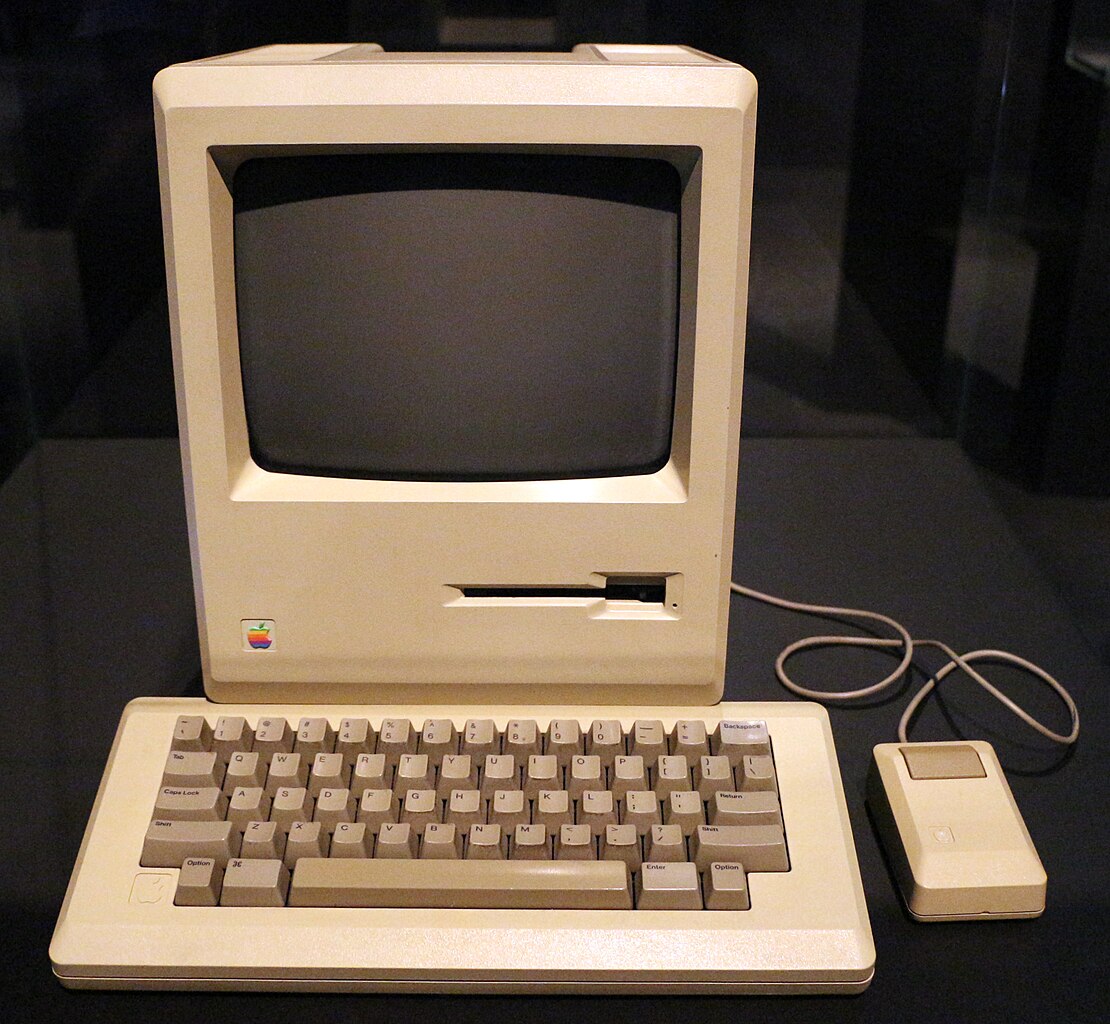
Macintosh (/ma.kin.tɔʃ/, en anglais : /ˈmæk.ɪn.tɑʃ/) ou Mac est une série de différentes familles d'ordinateurs personnels conçus, développés et vendus par Apple. Le premier Macintosh est lancé le 24 janvier 1984 (il a été renommé Macintosh 128K dès le lancement du Macintosh 512K). Il constitue le premier succès commercial pour un ordinateur utilisant une souris et une interface graphique (au lieu d'une interface en ligne de commande).

Le Macintosh remplace l'Apple II comme principal produit d'Apple. Cependant les parts de marché d'Apple baissent, avant un renouveau des Macintosh en 1998, avec la sortie de l'ordinateur grand public tout-en-un iMac G3, qui permet à Apple d'échapper à une probable faillite et marque un succès pour la firme.

En 2021, les Macintosh visent principalement les marchés des professions artistiques, de l'éducation et des particuliers, avec les modèles suivants :

- l'iMac (gamme d'ordinateurs tout-en-un pour grand public et professionnel) ;
- le Mac mini (un tout petit ordinateur familial ou de bureau d'entrée de gamme) ;
- le Mac Pro (une station de travail orientée vers l'usage professionnel) ;
- et les ordinateurs portables (MacBook Pro et MacBook Air) ;

Le principe de production des Mac repose sur un modèle d'intégration verticale : Apple se charge de la conception de ses machines et de certains de leurs composants et des logiciels de base en pré-installant son propre système d'exploitation sur tous les Mac. Ceci contraste avec la plupart des ordinateurs vendus avec des systèmes d'exploitation différents, pour lesquels plusieurs constructeurs se chargent de créer du matériel conçu pour utiliser le système d'exploitation d'une autre entreprise. Entre 1984 et 1994, les Macintosh fonctionnaient avec des processeurs de la famille 68000 de Motorola, avant d'utiliser entre 1994 et 2006 des processeurs PowerPC de l'Alliance AIM. En 2006, les Mac migrent vers les processeurs x86 d'Intel. Fin 2020 est annoncé le passage de tous les Mac à la puce Apple M1 (première puce Apple Silicon pour Mac) pour 2022. Les Mac ayant actuellement déjà migré vers M1 sont le MacBook Air, le MacBook Pro 13", le Mac mini et l’iMac 24 pouces qui, fin avril, s’offre aussi la puce M1 et par la même occasion une cure de jeunesse en adoptant un nouveau design

Pour faire fonctionner son ordinateur Mac, Apple a développé une famille de systèmes d'exploitation spécifiques. Basés sur une interface utilisateur graphique, ils sont connus sous le nom de Système (versions de 1 à 7), avant de devenir Mac OS (7.6, 8, 9 et 10). À l'aube des années 2000, cette lignée est remplacée par Mac OS X, développé à partir de NeXTSTEP, rebaptisé OS X en 2012 puis macOS en 2016. Sur les Macintosh à microprocesseur Intel, il est possible d'installer des systèmes d'exploitation comme Microsoft Windows, Linux, FreeBSD ou bien d'autres. Avec les processeurs PowerPC ou même 68k, il était cependant déjà possible d'installer des systèmes d'exploitation UNIX tournant sous ces plates-formes matérielles.

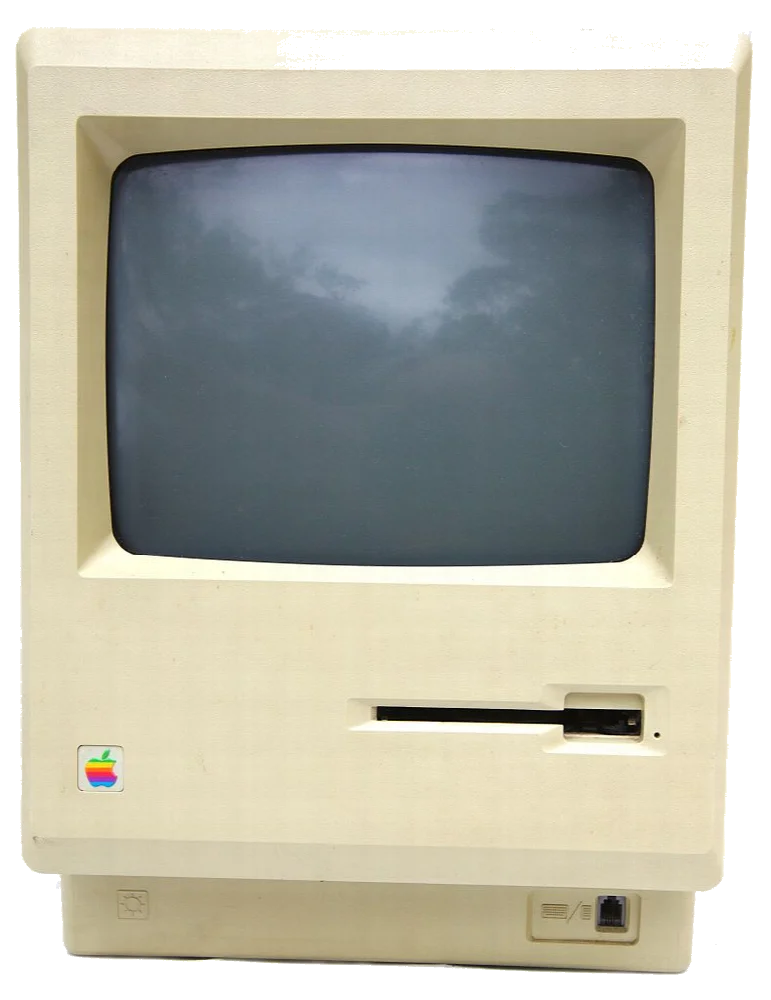
Photo du Macintosh 128k
Photo du Macintosh 512k
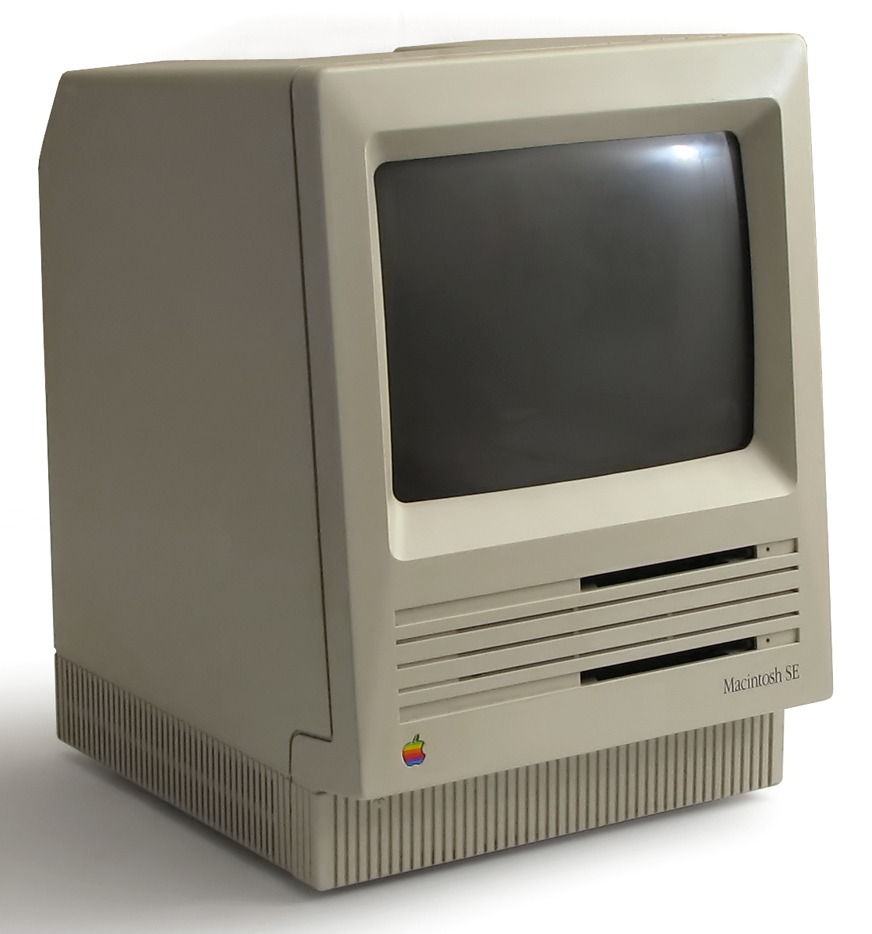
Photo du Macintosh SE

Technical specifications

Manufacturer
Apple
Release date
24 janvier 1984 — Monde
Processor
Motorola 68000 (7,8336 MHz - 8 MHz) — Macintosh 128k, 512K, SE, SE FDHD, plus, 512Ke, Classic
Processor
Motorola 68000 (8 MHz) — Macintosh SE, Plus, 512Ke, Classic
Processor
Motorola 68030 (40 MHz) — Macintosh IIfx
Processor
Motorola 68030 (16 MHz - 25 MHz) — Macintosh IIcx, IIci
Processor
Motorola 68HC000 (16 MHz) — Macintosh Portable, PowerBook 100
Processor
Motorola 68020 (16 MHz) — Macintosh II, LC
Processor
Motorola 68030 (15,667 MHz - 16 MHz - 25 MHz - 20 MHz - 33MHz - 40 MHz) — Macintosh SE/30, IIx, IIcx, IIci, IIfx, IIsi, IIfx, IIvi, IIvx, LC II (Performa 400, 405, 410, 430), LC III (III+, Performa 450, 460, 466, 467), Macintosh TV
Processor
Motorola 68030 (16 MHz - 33MHz) — Macintosh Classic II (Performa 200), Color Classic (Color Classic II, Performa 250, 275), LC 520 (Performa 520), LC 550 (Performa 550, 560)
Processor
Motorola 68030 (16 MHz - 25 MHz - 33 MHz) — PowerBook 140, 145, 160, 170, 180, Duo 210, Duo 230, Dua 270, 165c, 180c, 145B, 165, Duo 250, 150
Processor
Motorola 68LC040 (25 MHz - 33 MHz) — Macintosh Quadra 605 (LC 475, Performa 475, 476), Centris 610
Processor
Motorola 68LC040 (33 MHz - 66 MHz) — LC 575 (Performa 575, 576, 577, 578), LC 580 (Performa 580CD, 588CD), Quadra 630, LC 630 (Performa 630, 630CD, 631CD, 635CD, 636, 636CD, 637CD, 638CD, 638CD/V, 640CD)
Processor
Motorola 68040 (20MHz - 25 MHz - 33 MHz) — Macintosh Quadra 700, 800, 900, 950, 610, 650, 660AV, 840AV, Quadra (LC, Performa) 630, Centris 650, 660av
Processor
Motorola 68LC040 (25 MHz - 33 MHz) — PowerBook Duo 280, Duo 280c, 520, 520c, 540, 540c, 190, 190cs
Processor
Motorola 68040 (33 MHz) — PowerBook 550c
Processor
IBM PowerPC 601 (60/66 MHz - 66/80 MHz - 80/100/110 MHz - 75/90/120 MHz) — Power Macintosh 6100 (Performa 6110CD, 6112CD, 6115CD, 6116CD, 6117CD, 6118CD), 7100, 8100, 7200, 8200
Processor
PowerPC 603 (75 Mhz - 75/100/120 MHz - 75/90/120 MHz) — Power Macintosh 5200 LC (Performa 5200CD, 5210CD, 5215CD, 5220CD), Power Macintosh 6200 (Performa 6200, 6205CD, 6210CD, 6214CD, 6216CD, 6218CD, 6220CD, 6230CD, 6260CD, 6290CD, 6300CD, 6310CD, 6320, Power Macintosh 6300/120)
Processor
PowerPC 601+ (100 MHz) — Power Macintosh 7500
Processor
PowerPC 604 (120/132/150/180 MHz - 120/132/150/180/180x2/200 MHz - 120/132/200 MHz) — Power Macintosh 8500, 9500, 7600,
Processor
IBM PowerPC 603e (100/120 MHz - 150/200 MHz) — Power Macintosh 5300 LC (Performa 5300CD 5320CD), 5260 LC (Performa 5260CD, 5270CD), 4400 (Power Macintosh 7220, Performa 4400)
Processor
IBM PowerPC 603e (100 MHz - 117 MHz - 117/133/166 MHz) — PowerBook 5300, 5300c, 5300ce, 5300cs, Duo 2300c, 1400c/cs
Processor
IBM PowerPC 603ev (120/160/180/200 MHz - 180/200 MHz - 160 MHz - 225/250/275 MHz - 225/250/275/300 MHz - 250 MHz) — Power Macintosh 5400 LC (Performa 5400CD, 5410CD, 5420, 5420CD, 5430CD, 5440CD), Performa 6400, 6360, 5500, 6500, 20th Anniversary Macintosh
Processor
IBM PowerPC 603ev (180/200/240 MHz - 180/240 MHz) — PowerBook 3400, 2400
Processor
IBM PowerPC 604e (166/180/200 MHz - 200/250/300 MHz) — Power Macintosh 7300, 8600, 9600
Processor
PowerPC 750 "G3" (250/333/400/500 MHz - 233/250/292 MHz - 300MHz - 366 MHz) — PowerBook G3, G3 Series, iBook, iBook SE
Processor
PowerPC 750 "G3" (233/266/300/333 MHz - 233/266/333/350/400/450/500 MHz - 300/350/400 MHz) — Power Macintosh G3, iMac, Power Macintosh G3 (Blue & White)
Processor
PowerPC 7400 "G4" (350/400/450/2x450/500/2x500 MHz - 450/500 MHz) — Power Macintosh G4, G4 Cube
Processor
PowerPC 750CX "G3" (366 - 466 MHz - 600 MHz - 500/600 MHz - 500/600/700 MHz) — iBook, iBook SE, iMac SE, iBook "Dual USB", iMac
Processor
PowerPC 7410 "G4" (400/500 MHz - 533 MHz) — PowerBook G4, Power Macintosh G4
Processor
PowerPC 7450 "G4" (667/733 MHz - 733/867/2x800 MHz - 550/667 MHz - 700/800 MHz) — Power Macintosh G4, Power Macintosh G4 "Quicksilver", PowerBook G4 "Gigabit Ethernet'", iMac G4, eMac
Processor
PowerPC 7455 "G4" (800/933 MHz/1,0/2x1,0/1,25/1,42 GHz - 667/800/867 MHz/1 GHz - 1,0/2x1,0/1,33/2x1,33 GHz - 2x867 MHz/2x1,0/2x1,25 GHz) — Power Macintosh G4 "Quicksilver 2002", PowerBook G4 "DVI", Xserve, Power Macintosh G4 "Mirrored Doors", iMac "Début 2003", eMac, iBook G4
Processor
PowerPC 750FX "G3" (600/700/800/900 MHz) — iBook "Mi 2002" ("Début 2003")
Processor
PowerPC 970 "G5" (1,6/1,8/2x1,8/2x2,0 GHz - 1,6/1,8/1,9/2,0/2,1 GHz) — Power Macintosh G5, iMac G5
Processor
PowerPC 7447 "G4" (1,0/1,25/1,33 GHz - 1,25 GHz) — PowerBook G4 "12.1" DVI" ("15" Firewire 800", "17" 1,33GHz"), eMac "USB 2.0"
Processor
PowerPC 970FX "G5" (2,0/2x2,0/2x2,3 GHz - 1,8/2x1,8/2x2,0/2x2,3/2x2,5/2x2,7 GHz) — Xserve G5, Power Macintosh G5 "Juin 2004" ("Début 2005")
Processor
PowerPC 7447a "G4" (1,0/1,2/1,33 GHz - 1,3/1,5/1,67 GHz - 1,25/1,42/1,5 GHz - 1,42 GHz) — iBook G4, PowerBook G4, Mac mini, eMac 2005
Processor
PowerPC 970MP "G5" (2,0/2,3/2x2,5 GHz) — Power Macintosh G5
Processor
Intel Core Duo - T2xxx (1,83/2,0 GHz - 1,83/2,0/2,16 GHz - 1,83/2,0 GHz - 1,66/1,83 GHz) — iMac, MacBook Pro, MacBook, Mac mini
Processor
Intel Core Solo - T1300 (1,5/1,66 GHz) — Mac mini
Processor
Intel Xeon 5100 Series - Woodcrest (2x2,0/2x2,6 GHz) — Mac Pro, Xserve
Processor
Intel Mobile Core 2 Duo - T7xxx (1,83/2,0/2,16/2,4 GHz - 2,16/2,2/2,33/2,4 GHz - 1,83/2,0/2,16/2,2 GHz - 1,83/2,0 GHz) — iMac, MacBook Pro, MacBook, Mac mini
Processor
Intel Mobile Core 2 Duo "P7500" (1,6/1,8 GHz) — MacBook Air
Processor
Intel Xeon 5400 Series "Harpertown" (2x2,8 GHz (4 cœurs CPU)) — Mac Pro, Xserve
Processor
Intel Mobile Core 2 Duo "T8xxx" (2,1/2,4 GHz) — MacBook
Processor
Intel Mobile Core 2 Duo "T9xxx" (2,4/2,5/2,6/2,8 GHz) — MacBook Pro
Processor
Intel Core 2 Duo "E8xxx" (2,42/2,66/2,8/2,93/3,06 GHz) — iMac
Processor
Intel Mobile Core 2 Duo "P7xxx/P8xxx" (2,0/2,13/2,26/2,4 GHz - 2,0/2,26/2,4/2,53/2,66 GHz - 2,0/2,26 GHz - 2,26/2,4/2,53/2,66/2,8 GHz) — MacBook, Mac mini, iMac, MacBook Pro
Processor
Intel Mobile Core 2 Duo "SL9xxx" (1,6/1,86/2,13 GHz) — MacBook Air
Processor
Intel Xeon 5500 Series "Gainestown" (2x2,26 GHz (4 cœurs CPU) - 2,26/2x2,26 GHz (4 cœurs CPU)) — Mac Pro, Xserve
Processor
Intel Xeon 3500 Series "Bloomfield" (2,66/2,8/3,2 GHz (4 cœurs CPU)) — Mac Pro
Processor
Intel Core i5 "Arrandale" (2,4/2,53/2,66 GHz) — MacBook Pro
Processor
Intel Core i3 "Clarkdale" (3,06/3,2 GHz) — iMac
Processor
Intel Core i5 "Lynnfield" (2,8 GHz quad-core) — iMac
Processor
Intel Xeon 5600 Series "Gulftown" (2x2,4 GHz) — Mac Pro
Processor
Intel Mobile Core 2 Duo "SU9xxx" (1,4/1,6 GHz) — MacBook Air
Processor
Intel Core i5 Mobile "Sandy Bridge" (2,3/2,4 GHz - 1,6/1,7 GHz (2 cœurs) - 2,3/2,5 GHz) — MacBook Pro, MacBook Air, Mac mini
Processor
Intel Core i5 "Sandy Bridge" (2,5/2,7/3,1 GHz (4 cœurs)) — iMac
Processor
Intel Core i7 "Sandy Bridge" (1,8 GHz) — MacBook Air
Processor
Intel Core i7 Mobile "Sandy Bridge" (2,0 GHz (4 cœurs) - 2,0/2,2/2,4 GHz (4 cœurs)/2,3/2,4/2,7/2,8/2,9 GHz) — Mac mini, MacBook Pro
Processor
Intel Core i3 "Sandy Bridge" (3,1 GHz (2 cœurs)) — iMac
Processor
Intel Core i5 Mobile "Ivy Bridge" (1,7 GHz - 2,2/2,5/2,6 GHz (2 cœurs)) — MacBook Air, MacBook Pro
Processor
Intel Core i7 Mobile "Ivy Bridge" (2,0 GHz - 2,3/2,4/2,6/2,7/2,8/3,0 GHz (4 cœurs)/2,9 GHz (2 cœurs)) — MacBook Air, MacBook Pro
Processor
Intel Xeon 5600 Series "Westmere-EP" (2x2,4 GHz (6 cœurs)) — Mac Pro
Processor
Intel Core i5 Mobile "Haswell-ULT" (2,4/2,5/2,6/2,8 GHz (2 cœurs)) — MacBook Pro
Processor
Intel Core i7 Mobile "Haswell-ULT" (2,8/3,0 GHz (2 cœurs)) — MacBook Pro
Processor
Intel Core i7 Mobile "Haswell-H" (2,0/2,2/2,3/2,5/2,6/2,8 GHz (4 coeurs)) — MacBook Pro
Processor
Intel Core i5 Mobile "Broadwell-U" (2,7/2,9 GHz (4 coeurs)) — MacBook Pro
Processor
Intel Core i7 Mobile "Broadwell-U" (3,1 GHz) — MacBook Pro
Processor
Intel Core i5 "Skylake" (2,0/2,9/3,1 GHz (2 cœurs)) — MacBook Pro
Processor
Intel Core i7 "Skylake" (2,4/3,3 GHz (2 cœurs)/2,6/2,7/2,9 GHz (4 cœurs)) — MacBook Pro
Processor
Intel Core i5 "Kaby Lake" (2,3/3,1/3,3 GHz (2 cœurs)) — MacBook Pro
Processor
Intel Core i7 "Kaby Lake" (2,5/3,5 GHz (2 cœurs)/2,8/2,9/3,1 GHz (4 cœurs)) — MacBook Pro
Processor
Intel Core i5 "Coffee Lake" (1,4/2,3/2,4 GHz (4 cœurs)) — MacBook Pro
Processor
Intel Core i7 "Coffee Lake" (1,7/2,2/2,6/2,7/2,8 GHz (6 cœurs)) — MacBook Pro
Processor
Intel Core i9 "Coffee Lake" (2,9 GHz (6 cœurs)/2,3/2,4 GHz (8 cœurs)) — MacBook Pro
Processor
Intel Core i5 "Ice Lake" (2,0 GHz (4 cœurs)) — MacBook Pro
Processor
Intel Core i7 "Ice Lake" (2,3 GHz (4 cœurs)) — MacBook Pro
Processor
Apple M1 (4 Firestorm 3,2 GHz + 4 Icestorm 2,064 GHz) — MacBook Pro, MacBook Air, Mac mini, iMac
Processor
Apple M1 Pro (6/8 Firestorm 3,23 GHz + 2 Icestorm 2,064 GHz) — MacBook Pro
Processor
Apple M1 Max (8 Firestorm 3,23 GHz + 2 Icestorm 2,064 GHz) — MacBook Pro, Mac Studio
Processor
Apple M1 Ultra (16 Firestorm 3,23 GHz + 4 Icestorm 2,064 GHz) — Mac Studio
Processor
M2 (4 Avalanche 3,49 GHz + 4 Blizzard 2,424 GHz) — MacBook Pro, MacBook Air, Mac mini
Processor
M2 Pro (6/8 Avalanche 3,504 GHz + 4 Blizzard 2,424 GHz) — MacBook Pro, Mac mini
Processor
M2 Max (8 Avalanche 3,504 GHz + 4 Blizzard 2,424 GHz) — MacBook Pro, Mac Studio
Processor
M2 Ultra (16 Avalanche 3,504 GHz + 8 Blizzard 2,424 GHz) — Mac Studio, Mac Pro
Processor
M3 (4 cœurs performants 4,05 GHz + 4 cœurs économes 2,75 GHz) — MacBook Pro, iMac
Processor
M3 Pro (5/6 cœurs performants 4,05 GHz + 6 cœurs économes 2,75 GHz) — MacBook Pro
Processor
M3 Max (10/12 cœurs performants 4,05 GHz + 4 cœurs économes 2,75 GHz) — MacBook Pro

Emulators

QEMU

11.1.3

QEMU 9.1 emulates x86 and PowerPC architectures for IBM PC and Macintosh, with uses related to Mac OS 9.2.2, Open Firmware, and networking.

ArcadeMania

2026.6

Émulateur d’arcade pour iPhone, iPad, Apple TV et Mac, anciennement MAME4iOS. Cœur MAME 0.289, rendu Metal et plus de 5 000 jeux d’arcade ; les ROMs ne sont pas incluses.

DingusPPC

1.04

DingusPPC is an experimental PowerPC emulator for Macintosh, in Alpha 1.01, targeting Old World ROMs and offering an enhanced debugging environment, available only as source code.

Heroic Games Launcher

2.22.3

Heroic Games Launcher consolidates Epic, GOG, and Amazon Prime Gaming libraries, installs Windows games on macOS via Wine or CrossOver, and offers configuration tools.

MAME

0.289

MAME, developed by the MAME Team, emulates thousands of arcade systems and platforms, with versions tailored for Intel Macs, PowerPC, and Apple Silicon.

Clock Signal (CLK)

2026-07-23

Clock Signal is an open-source emulator for macOS 10.13 and later, compatible with Apple Silicon, supporting multiple classic microcomputers and consoles, including the Apple II, the VIC-20, and the ZX Spectrum.

Provenance

3.3.0

Provenance 3.0.6 is a multi-emulator by Joe Mattiello for iOS, tvOS, and Mac via Catalyst, compatible with many consoles and computers, with optional in-app purchases.

UTM

4.7.5

UTM 4.6.4 uses QEMU to create and manage IBM PC, Macintosh, Windows, or Linux virtual machines from a graphical interface, with versions available for iOS and visionOS.

RetroArch

1.22.2

RetroArch 1.20 bundles numerous emulation cores for macOS, from the Atari 2600 to the PlayStation 2, with partial Apple Silicon support depending on the platforms.

VirtualBox

7.1.4

VirtualBox 7.1.4 virtualizes x86_64 systems on Intel Macs, under a free GPL license; 32-bit systems require branch 5.2, while macOS and Windows can be installed.

VMWare Fusion

13.6.1

VMware Fusion 13.6.1 allows you to run Windows, Linux, and other operating systems on macOS via virtualization, with a free personal license available under certain conditions after creating a VMware account.

VMTek

2.2.5

VMTek 2.2.5, signed by Cyaneous, virtualizes macOS or Linux from Macintosh and Linux via a native Mac interface; Windows is not yet supported, and the software costs €20.

Basilisk II

20240228

Basilisk II emulates 68K Macintosh Classic and Mac II systems up to Mac OS 8.1, with multiple builds for macOS, including a 64-bit SDL2 version and legacy editions.

SheepShaver

2.5

SheepShaver 2.5 emulates Power Macintosh on Mac, with builds tailored for different versions of macOS and Intel or PowerPC architectures, despite still being in an experimental stage.

Macintosh.js

1.2.0

Macintosh.js 1.2, developed by Felix Rieseberg, emulates a Macintosh under Mac OS 8 using Electron and offers Intel builds available for download from the author’s website.

Executor

202004 Unmaintained

Executor, an open-source interpreter by Clifford Matthews, runs old Macintosh 68k programs on Intel Macs, provided their resources have not been altered.

Mini vMac

36.04

Mini vMac 36.04 emulates 68K-based Macintosh computers from 1984 to 1996, featuring a lightweight interface, versions for macOS and PowerPC, and open-source code.

Shoebill

0.0.5 Unmaintained

Shoebill 0.0.5 emulates a Macintosh II under A/UX, Apple's Unix system released in 1988. This abandoned open-source project has been replaced by Qemu, which its author recommends using for A/UX.

PearPC

0.6.0pre Source only

PearPC 0.6.0pre experimentally emulates a PowerPC G3 or G4 to run macOS X 10.2 to 10.4, with documented limitations in older builds or JIT.

PCE

0.2.2

PCE bundles four emulators for Atari ST, IBM PC, Macintosh, and RC759 Piccoline, distributed exclusively as source code, with ROMs available on the official website.

Ardi Executor

20090709 Source only Unmaintained

Ardi Executor 20090709 emulates 68k processors on macOS. Developed by Ardi, this legacy project requires compiling the syn68k source files beforehand before it can be built.

vMac

0.1.9c Unmaintained

vMac 0.1.9c, created by Richard Bannister, emulates the Macintosh Plus on modern Macs and supports systems up to Mac OS 7.5.5, allowing you to run old games and software.