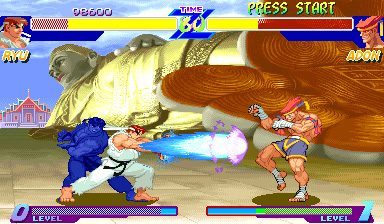
Street Fighter Alpha
Released in 1995 for arcades and consoles, Street Fighter Alpha revitalized the series in 2D with detailed sprites, smooth animations, dynamic backgrounds, and some gameplay refinements.
The whole game catalogue, reviews and short entries: every page says how to play it on a Mac.
127 games
Released in 1995 for arcades and consoles, Street Fighter Alpha revitalized the series in 2D with detailed sprites, smooth animations, dynamic backgrounds, and some gameplay refinements.

In 1991, Sunset Riders reimagines the Western genre as a beat 'em up: bounty hunting, shootouts, train chases, boss battles, and mini-games of shooting, either solo or multiplayer depending on the version.
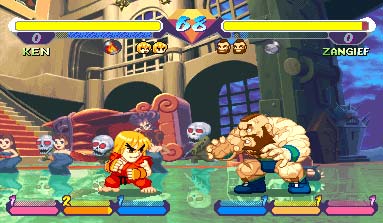
Released in 1997 for Saturn, PlayStation, and CPS2, Super Gem Fighters Mini Mix reimagines the battles of Street Fighter in a chibi-style aesthetic, featuring power gems, offbeat special moves, and hidden characters.
The game that defined the platform and revitalized an entire industry.
The pinnacle of 8-bit platforming: World Map, Tanuki, and Koopalings.
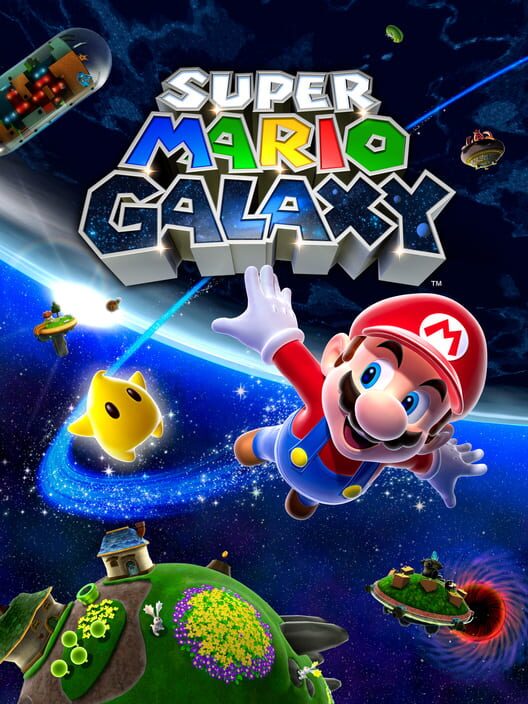
3D platformer with multiple gravity: Mario jumps from planet to planet, each celestial body with its own gravitational pull, racing to save Peach in a starry chase.
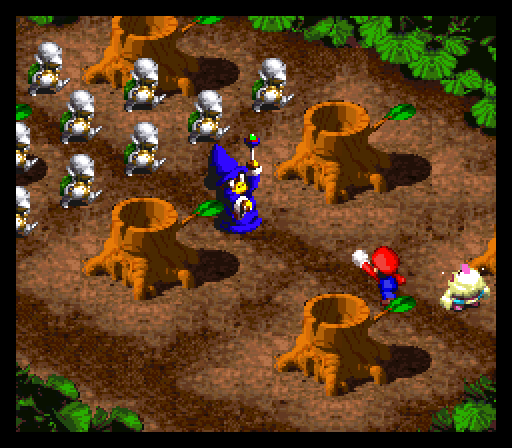
Released in 1996 for the Super Nintendo, Super Mario RPG: The Legend of the Seven Stars blends turn-based combat with interactive adventure, pitting Mario and his allies against a giant sky-bound sword.
Five-a-side football, no fouls or offside: tackling, powerful shots, and super strikes in stadiums that react to goals.
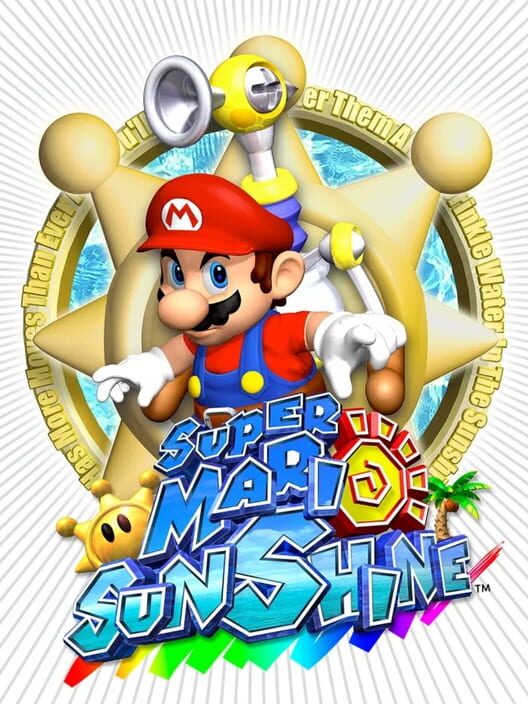
3D platformer set on a tropical island: Mario cleans up paint messes with a water jet, and explores levels without any lags.
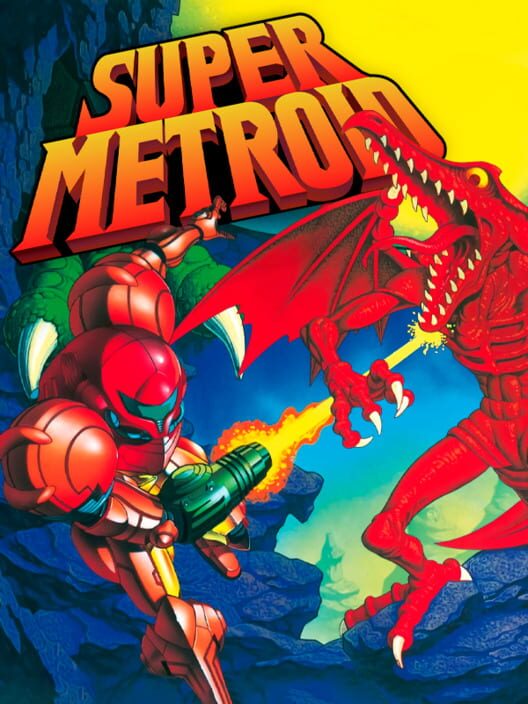
Nintendo Super Famicom, 1994: Super Metroid relies on a suffocating atmosphere, meticulous staging, and the exploration of an abandoned station before leading Samus to Zebes.
Fighting game where Nintendo characters battle outside the arena: the more you take, the farther you fly.
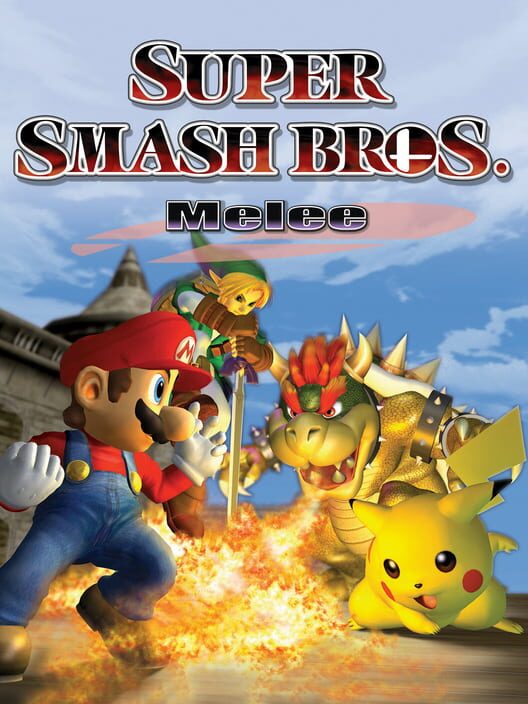
Following the Nintendo GameCube fighting game: more characters, trophies to collect, and a level-based adventure mode.
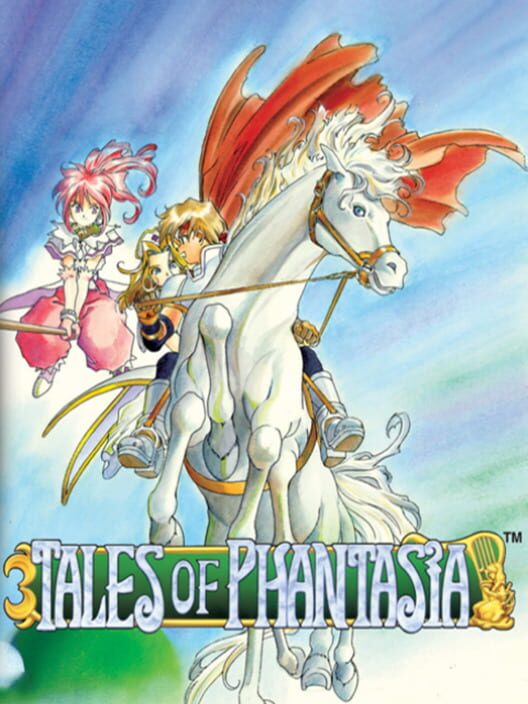
Released in 1995 for Super Nintendo, Tales of Phantasia established Wolfteam as a bold RPG developer, renowned for its real-time combat, its sung introduction, and its technical execution.
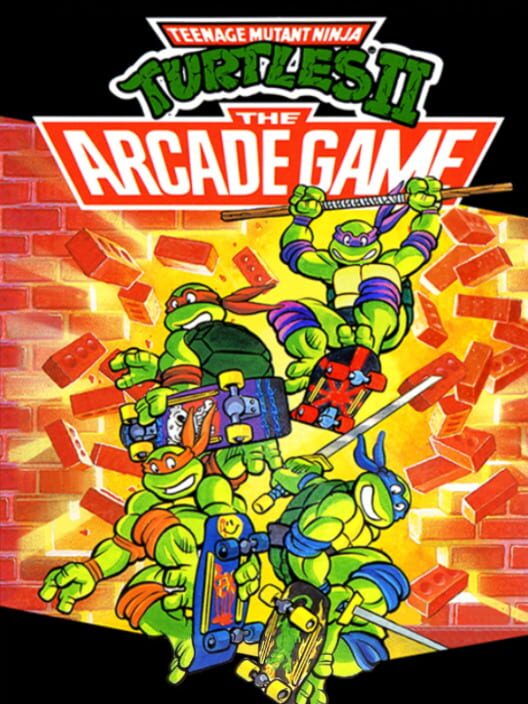
The TMNT beat 'em up arcade adaptation with new, exclusive levels.
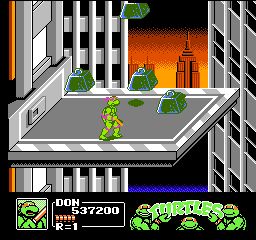
Released in 1992 for the NES, Teenage Mutant Ninja Turtles III: The Manhattan Project offers a beat 'em up game inspired by the animated series, featuring four playable turtles facing off against Shredder and his allies.
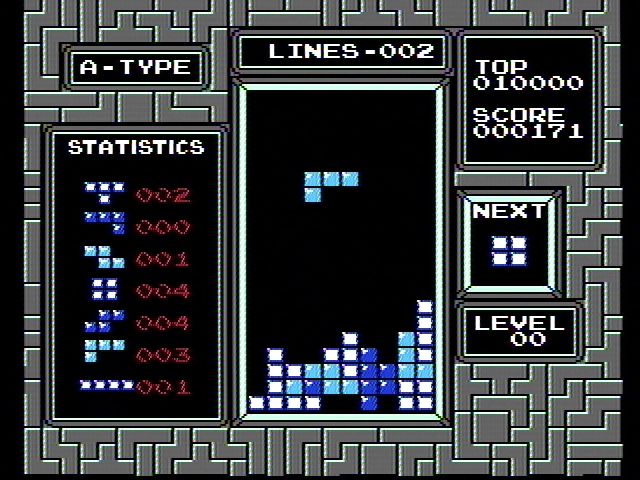
The timeless puzzle game, here in its Nintendo two-player version.

In 1989, The Duel: Test Drive II expanded automotive racing on microcomputers and consoles with two high-performance sports cars, a computer-controlled opponent, and diverse open roads.
The founding open-world of the series, on the NES.
Released in 1991 for Super Nintendo, The Legend of Zelda: A Link to the Past blends adventure and action in a top-down universe, driven by a rich narrative, side quests, and two distinct worlds to explore.
A three-day loop adventure: Termina is doomed and Link must understand its inhabitants before reversing time, mask after mask.
First adventure of The Legend of Zelda in 3D: time travel, puzzle-filled dungeons, and a lock-on targeting system that set the standard for the genre.
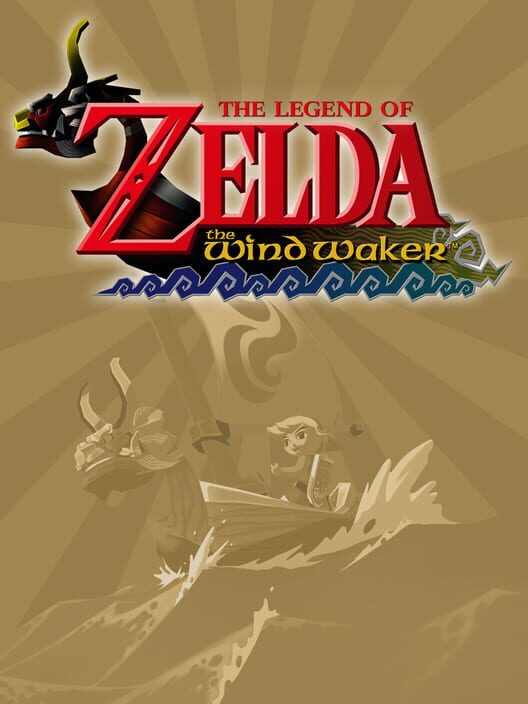
Maritime adventure in cel-shading: an ocean to sail across, islands to explore, and a young Link on a quest to save his sister.
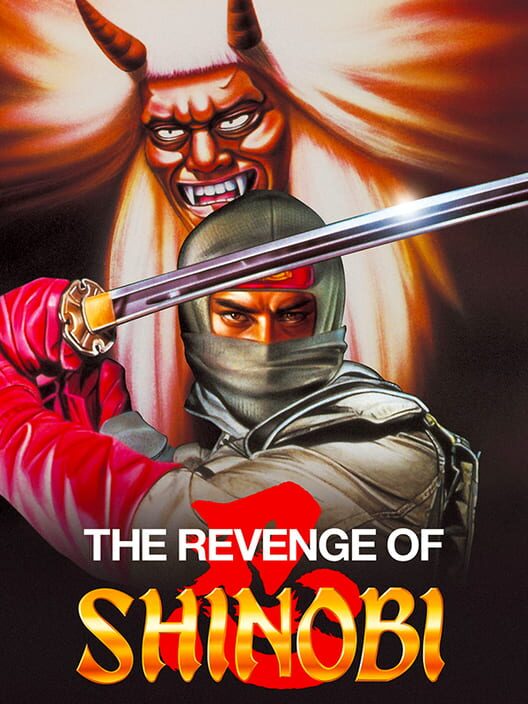
In 1989 on Mega Drive, The Revenge of Shinobi follows Joe Musashi against Neo Zeed across eight levels featuring shurikens, double jumps, health bars, and boss fights.
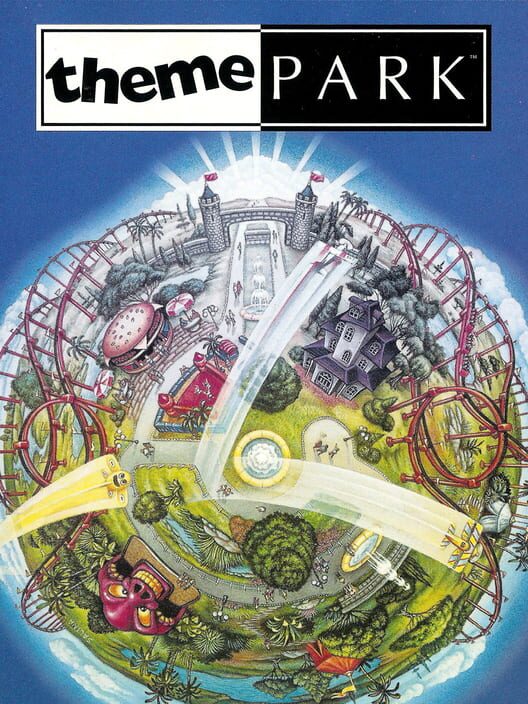
Released in 1994 for Macintosh and numerous platforms, Theme Park simulates the creation and management of an amusement park, covering landscaping, staff, finances, inventory, and visitors.