Heroes of Might & Magic II - The Succession Wars
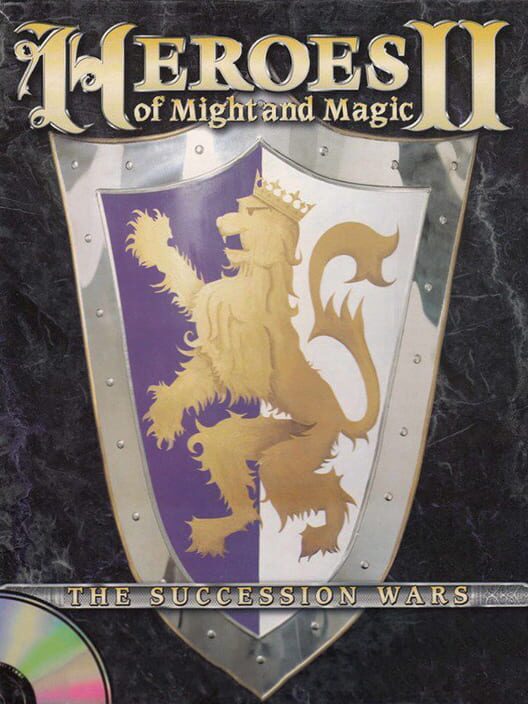
Bestof 1996 by Emuzone

Heroes of Might & Magic II - The Succession Wars

Released in 1996 for Windows, Macintosh, MS-DOS, RISC PC, and Game Boy Color, Heroes of Might & Magic II: The Succession Wars expands turn-based management and combat with six factions and hero abilities.

WindowsMacintoshMS-DOSRISC PCGame Boy Color

Turn-based strategy4X

Developer New World Computing Publisher The 3DO Company

After the critical success of Heroes of Might & Magic, New World Computing attempts to confirm this trial with a second installment that should improve the concept, which is not always straightforward despite technological progress. Thus, in 1996, Heroes of Might & Magic II - The Succession Wars was released.
homm201.png

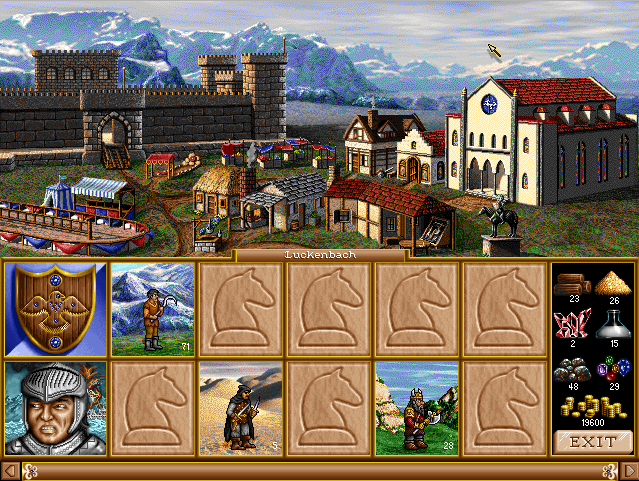
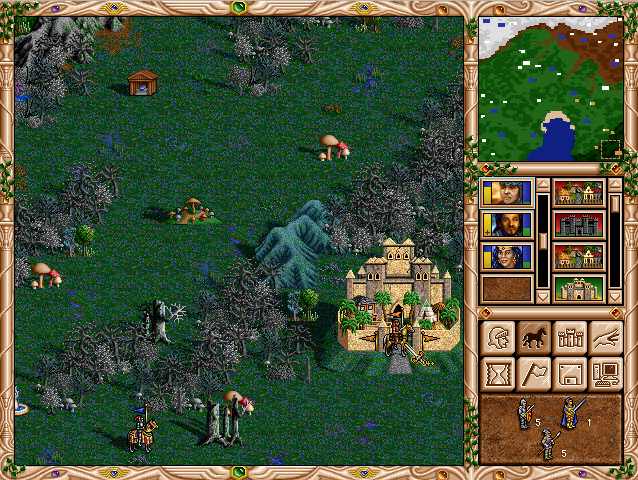
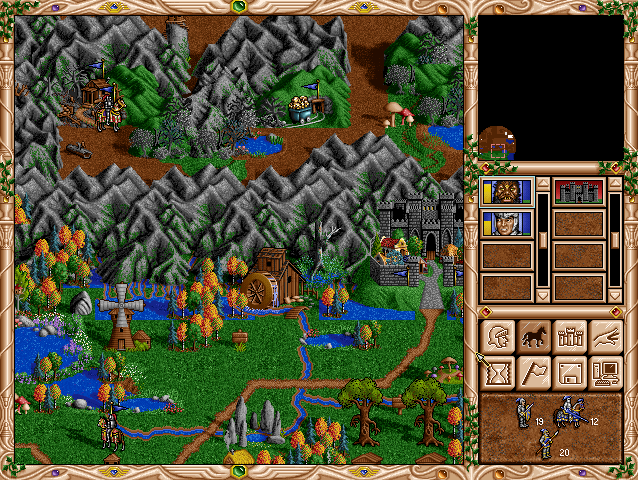
In absolute terms, the game hasn't fundamentally changed. It still combines resource management, strategy, and turn-based tactics. You must still manage your territory, including resource mines, castles, armies, and heroes, while trying to conquer as much land as possible. The former player will therefore have no trouble getting started with this installment.
homm202.png


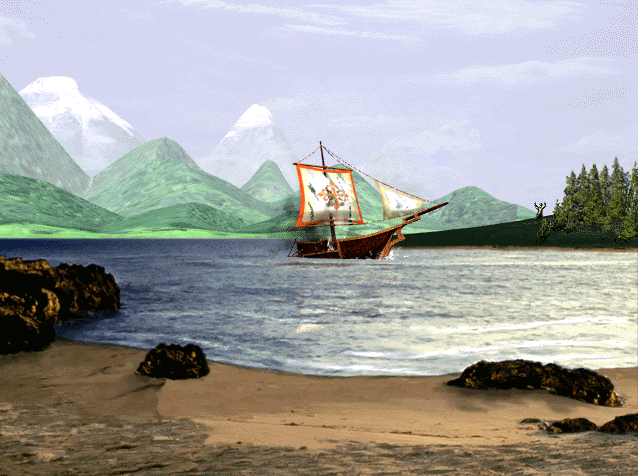
With more powerful personal computers, significant changes primarily reveal themselves in technical aspects, such as 3D presentation scenes, but especially finer graphics, a greater variety of environments, characters, units, spells, and artifacts. In addition to the knight, sorceress, mage, and barbarian, the necromancer and sorcerer classes are introduced.
homm203.png


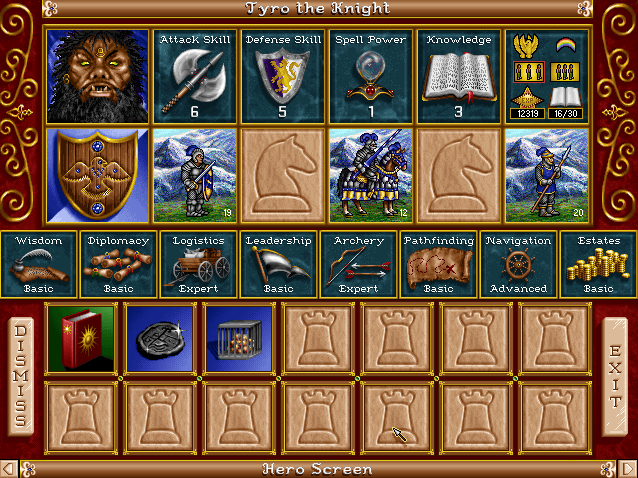
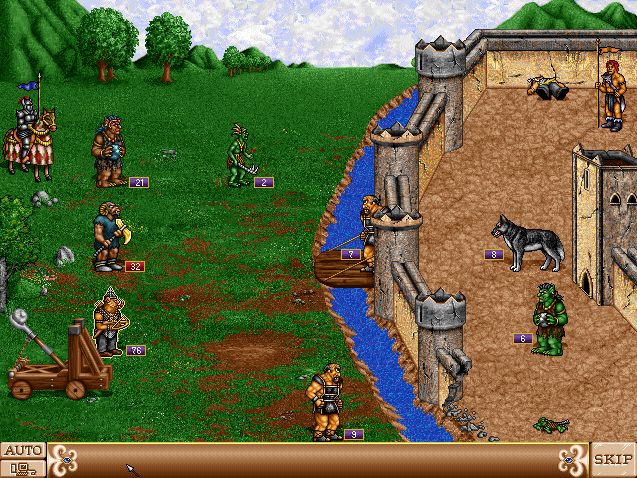
As a result, some units have been redistributed and rebalanced. This leads to more refined tactical combat on battlefields that are significantly larger than before, where each hero's abilities play a non-negligible role in the outcome. This is undoubtedly the major innovation of HoMM II: the introduction of these skills. There are a certain number of them, but each hero can only accumulate eight, which will be earned and improved as levels are gained. These skills enhance both combat techniques, such as archery, and movement on the map through logistics, as well as access to the most powerful spells.
homm204.png


Fundamentally, the final strategy to reach the goal has not changed much.
Having one or two powerful heroes with a strong army and a significant number of forts and mines will usually allow you to achieve victory in most cases. Yes, but victory is not always obtained through the annihilation of opposing forces. New objectives are possible, such as amassing the most money within a given timeframe, or eradicating the world of a specific character. The same applies to what could lead to defeat. These small novelties enable offering two campaigns with intertwining branches, thereby providing a more enjoyable narrative, albeit not very original, recounting the sibling war of Roland and Archibald for the accession to the throne (which seems to be made of wood, as iron is surely more useful for troops).

homm205.png

As for the sounds, they are adequate for a game from that era, but the real effort was put into the music, as it supports MIDI format, a proper sound card, and takes advantage of a CD-ROM player, allowing your ears to enjoy high-quality ambient music. These can be enhanced with operatic-style chants when visiting a castle, if you possess the so-called "Gold" version of the game. Special mention for the chant accompanying the music of the knights' strongholds.

homm206.png

In the end, both experienced players and beginners will find their needs met thanks to all these small additions and adjustments that provide a better-balanced difficulty. And to ensure complete enjoyment, the game comes with an editor. A very good sequel, which will be crowned with a well-deserved success, to the point that an expansion will be released offering its share of maps as well as tougher campaigns and, above all, high-quality CD music with chants as mentioned earlier.

homm207.png

Note that, like the first installment, a conversion for the Game Boy Color, technically similar to the port of the previous one, will be released in 2000.

Where it fits in time

The whole timeline

What came out and what happened around 1996.

  1. Japon Machine

    CPS Changer

    Console de salon · Capcom

  2. Game

    Dark Forces

  3. Game

    Full Throttle

  4. Emulation

    Basilisk II opens up the 68k Mac

    Christian Bauer’s free emulator brings 68000 Macintoshes back to life on other machines, ROMs and System 7 included.

  5. Apple

    Apple buys NeXT

    Apple acquires NeXT for $429 million. NeXTSTEP becomes the basis of Mac OS X, and Steve Jobs returns.

  6. Game

    Diablo

Play it on a Mac

1 Platform emulator

Show the 56 other emulators
PearPC emulates Macintosh RPCEmu emulates RISC PC SheepShaver emulates Macintosh Shoebill emulates Macintosh vMac emulates Macintosh windows95 emulates Windows binjgb emulates Game Boy Color Boxer emulates MS-DOS Boxer (fork) emulates MS-DOS Boycott emulates Game Boy Color Crossover emulates Windows DMGBoy emulates Game Boy Color DOSBox emulates MS-DOS DosBox Staging emulates MS-DOS Gambatte emulates Game Boy Color Gambatte-speedrun emulates Game Boy Color GoBoy emulates Game Boy Color iDOS emulates MS-DOS Iridium emulates Windows KiGB emulates Game Boy Color Mythic emulates Windows Parallels Desktop emulates Windows PlayPort emulates Windows QEMU emulates Macintosh SameBoy emulates Game Boy Color VMTek emulates Macintosh Whisky emulates Windows Wine emulates Windows Wineskin Winery emulates Windows ArcEmu emulates Game Boy Color DOSBox-X emulates MS-DOS Heroic Games Launcher emulates Windows, Macintosh mGBA emulates Game Boy Color VirtualBox emulates Windows, Macintosh VisualBoyAdvance emulates Game Boy Color VisualBoyAdvance-M emulates Game Boy Color PCE emulates Macintosh SkyEmu emulates Game Boy Color UTM emulates Macintosh, Windows VMWare Fusion emulates Windows, Macintosh Delta emulates Game Boy Color DSP-Emulator emulates Game Boy Color Ignited emulates Game Boy Color Foxol emulates Game Boy Color higan emulates Game Boy Color Mednafen emulates Game Boy Color Clock Signal (CLK) emulates Macintosh BizHawk emulates Game Boy Color ares emulates Game Boy Color OpenEmu emulates Game Boy Color OpenEmu-Silicon emulates Game Boy Color Manic EMU emulates Game Boy Color, MS-DOS Provenance emulates Macintosh, MS-DOS, Game Boy Color ArcadeMania emulates Game Boy Color, Macintosh MAME emulates Game Boy Color, Macintosh RetroArch emulates Game Boy Color, Macintosh

An emulator being listed does not mean the game runs: every project keeps its own compatibility list.

Reply on the forum

A question or a hands-on report? Open the discussion on the forum.

Reply on the forum