Castlevania: Symphony of the Night
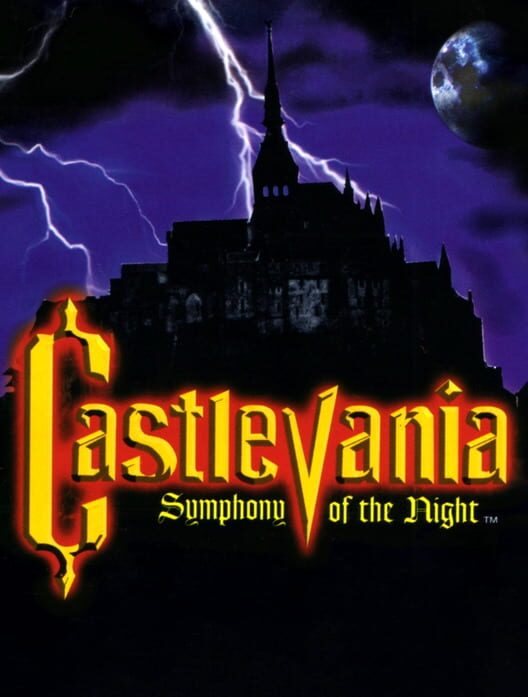
In 1997, Castlevania: Symphony of the Night revolutionized the series with Alucard as the protagonist, a labyrinthine castle, RPG elements, extensive equipment, and skill-based exploration.
Developer Konami Computer Entertainment Tokyo Publisher Konami
Castlevania: Symphony of the Night was released in 1997 in Japan, the United States, and Europe, and it is the only PlayStation entry in the Castlevania series (excluding the re-release of an older episode under the name Castlevania Chronicles). It was also released on Sega Saturn with some additional bonus content.
Unlike previous installments, the adventure is not led by a Belmont but by Alucard, Dracula's own son and Lisa, a mortal (human). Alucard is therefore a perfect blend of two completely different beings. He possesses both the immense strength and magical powers of his father, as well as the beauty and wisdom of his mother.
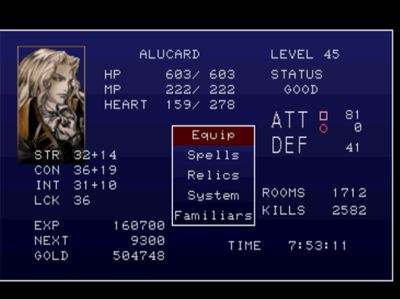
What was innovative about this entry was that the creators decided to add an RPG touch to the game. You were therefore given an experience system, levels, a variety of items and weapons to collect. The castle to explore is truly massive and requires you to go back several times after acquiring particular techniques. The combat system and gameplay (which became very fluid and manageable compared to its predecessors) also evolved significantly. You are no longer limited to a single weapon from start to finish, but have access to multiple types of weapons. Alucard can now fight with short swords, long swords, katanas, heavy two-handed swords, daggers, maces, magic staves, and can even fight with his fists! Almost every weapon has a combination of button presses on the controller to create a special technique. For example, if you are equipped with a fire gauntlet and perform "a quarter turn from bottom to forward + Square", the gauntlet in question will launch a fire projectile at the enemy.
At its core, it's as if the system from Super Metroid had been combined with the old-school gameplay of Castlevania.
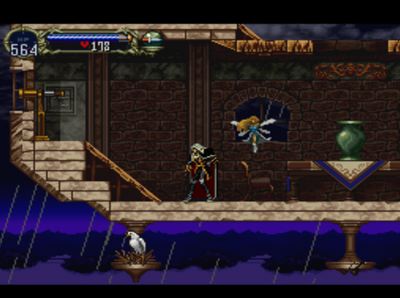
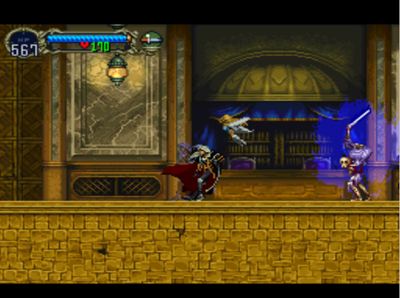
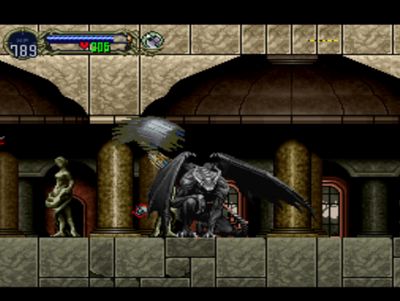
In short, Symphony of the Night set the standard for all subsequent entries in the series, notably Castlevania: Aria of Sorrow (which was quite successful, by the way). From the very first hour of gameplay, it's clear that Aria of Sorrow breaks away from the mold of Symphony of the Night.
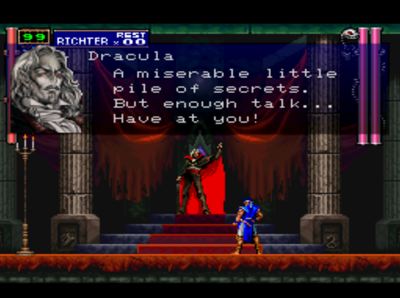
As for the music, well, it's simply breathtaking. Ranging from metal (13 Festival Of Servants), to baroque (11 Wood Carving Partita), and funk (24 Wandering Ghosts), Symphony of the Night undoubtedly features the richest and most extensive video game soundtrack ever heard. It also perfectly fits the gothic and macabre atmosphere of the series. The instruments are of exceptional quality. What was innovative at the time was the inclusion of real instruments on some tracks, particularly the guitar (played by Takayuki Fujii and Nishimura Oh. Ya. Zi.). All the dialogue was recorded, allowing players to hear the characters' voices, which made the story more engaging to follow.
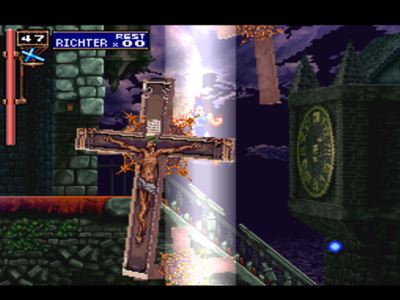
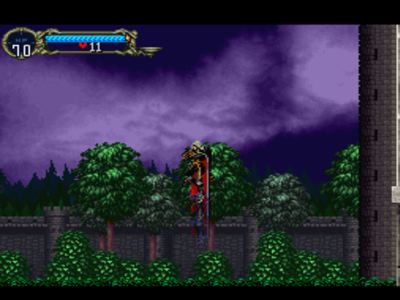
Finally, Castlevania: Symphony of the Night will keep you glued to your PlayStation or Saturn for hours (if you aim for the 200% completion) not only because of its polished and meticulously crafted graphics but also thanks to its flawless and smooth gameplay that leaves its predecessors in the dust.
Where it fits in time
The whole timelineWhat came out and what happened around 1997.
-
Basilisk II opens up the 68k Mac
Christian Bauer’s free emulator brings 68000 Macintoshes back to life on other machines, ROMs and System 7 included.
-
CP System III (CPS3)
Arcade · Capcom
-
MAME documents arcade cabinets
The Multiple Arcade Machine Emulator project sets out to preserve arcade hardware, game by game.
-
Connectix Virtual PC virtualises the PC on Mac
Virtual PC puts a complete PC in a Mac window, BIOS and disk included: emulation becomes a consumer product.
Play it on a Mac
2 Platform emulator
Show the 32 other emulators
An emulator being listed does not mean the game runs: every project keeps its own compatibility list.
Reply on the forum
A question or a hands-on report? Open the discussion on the forum.