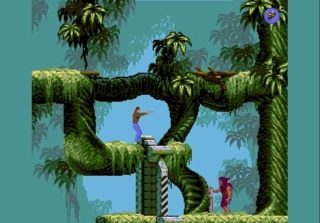
Flashback
Released in 1992 across multiple platforms, Flashback combines adventure and platforming with smooth animation, detailed backgrounds, meticulous staging, and a science-fiction narrative.
The whole game catalogue, reviews and short entries: every page says how to play it on a Mac.
77 games
Released in 1992 across multiple platforms, Flashback combines adventure and platforming with smooth animation, detailed backgrounds, meticulous staging, and a science-fiction narrative.
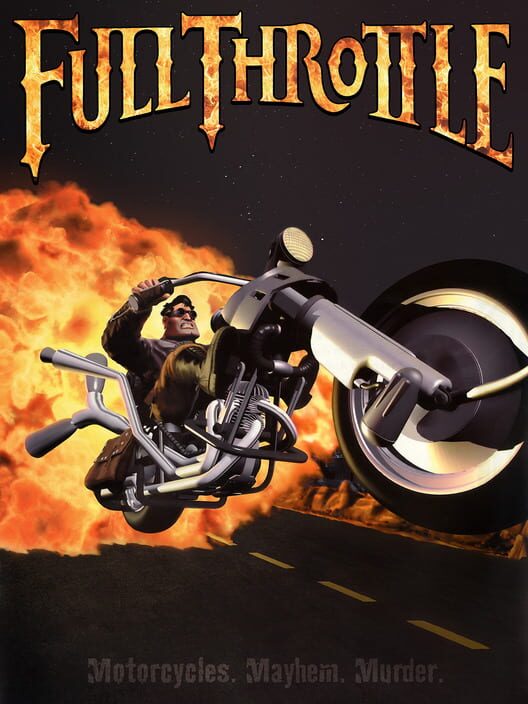
Released in 1995 for Mac, Full Throttle follows Ben, the leader of a biker gang, through a futuristic graphic adventure blending puzzles, humor, action, and a rock soundtrack.
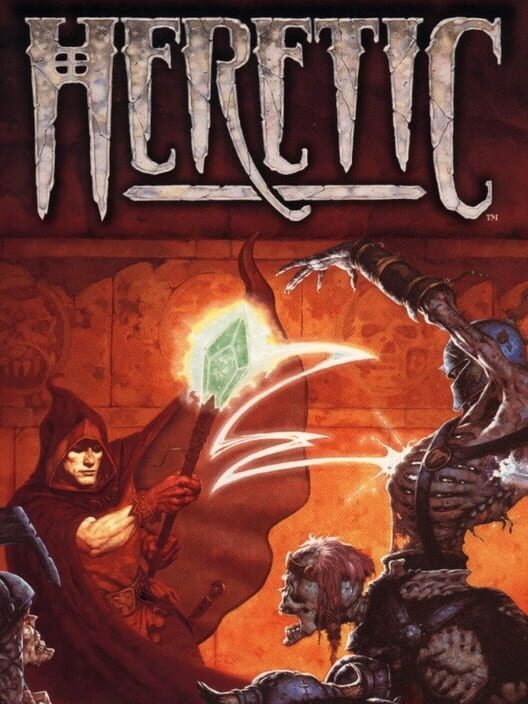
First-person medieval-fantasy shooter running on the Doom engine: an elf battles a cult, with a collection of magical items.
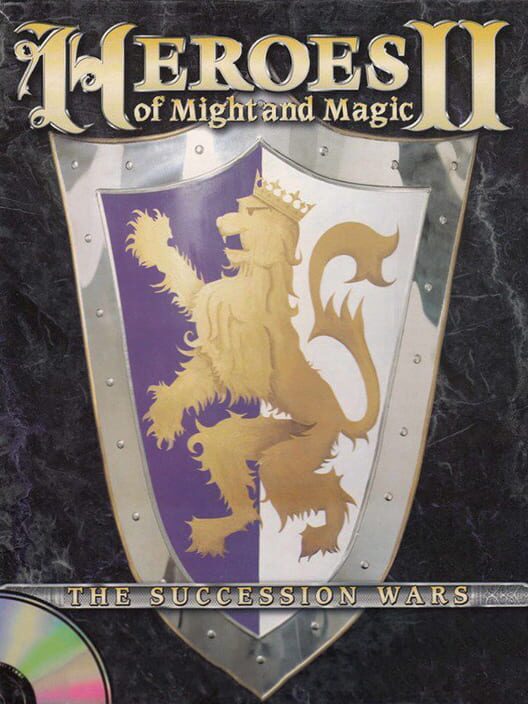
Released in 1996 for Windows, Macintosh, MS-DOS, RISC PC, and Game Boy Color, Heroes of Might & Magic II: The Succession Wars expands turn-based management and combat with six factions and hero abilities.
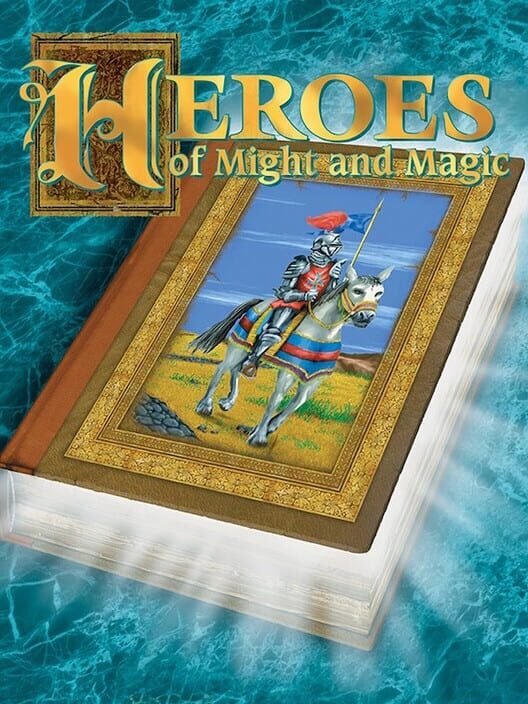
In 1995, Heroes of Might and Magic combined turn-based strategy, resource management, and role-playing elements with exploration, army recruitment, and territorial conquest.
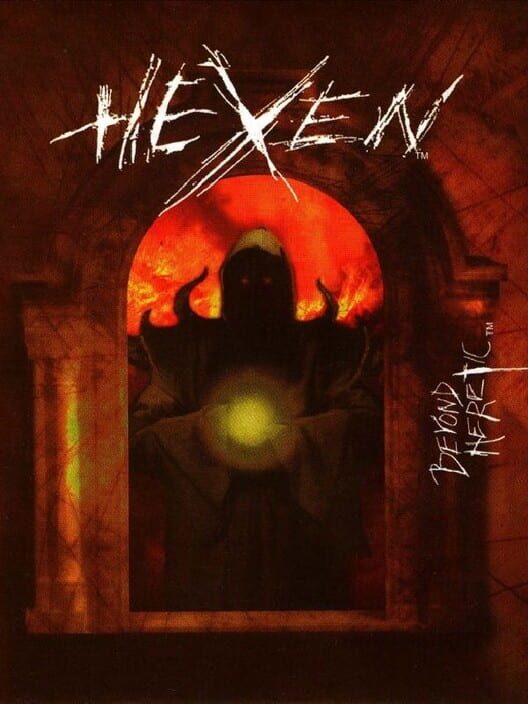
A sequel to Heretic: three character classes, multi-level stages, and hub puzzles in a world in peril.
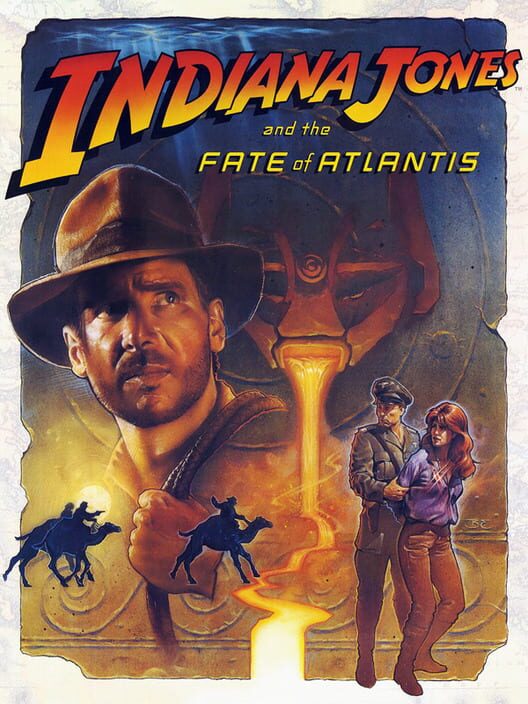
Released in 1992 for Macintosh and multiple platforms, Indiana Jones and the Fate of Atlantis is a SCUMM-based graphical adventure blending exploration, puzzles, and an original story within the iconic archaeologist’s universe.
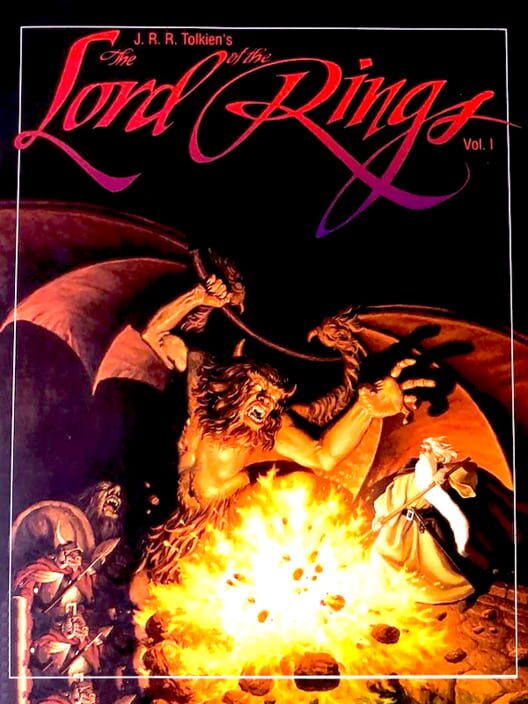
Role-playing game adapted from the novel: commanding the Fellowship from Rivendell, top-down view, with turn-based combat.
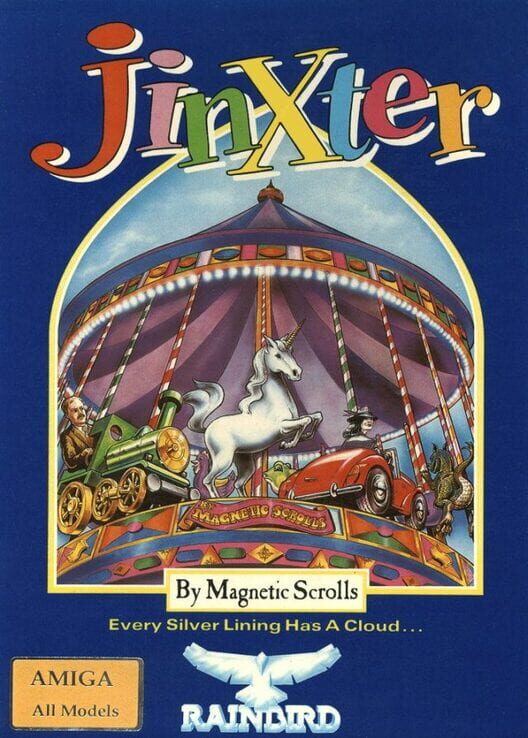
Interactive fiction with a humorous twist: find five talismans to save the world from chaos, featuring an absurd tone and chatty characters.
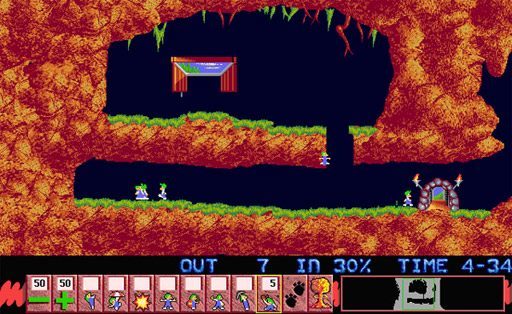
Lemmings (1991) offers guiding up to one hundred creatures through 120 levels by assigning them limited abilities to overcome obstacles and reach the exit.
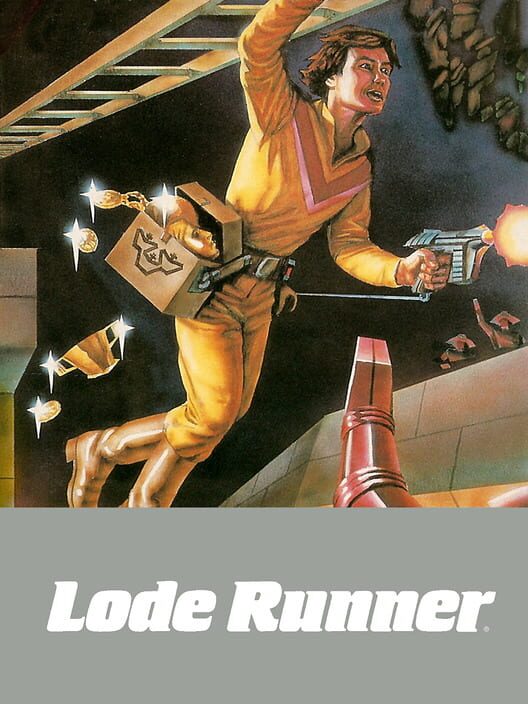
Released in 1983 on Apple II, Mac, and numerous platforms, Lode Runner combines gold collection, platforming, and trapping enemies using holes dug in the levels.
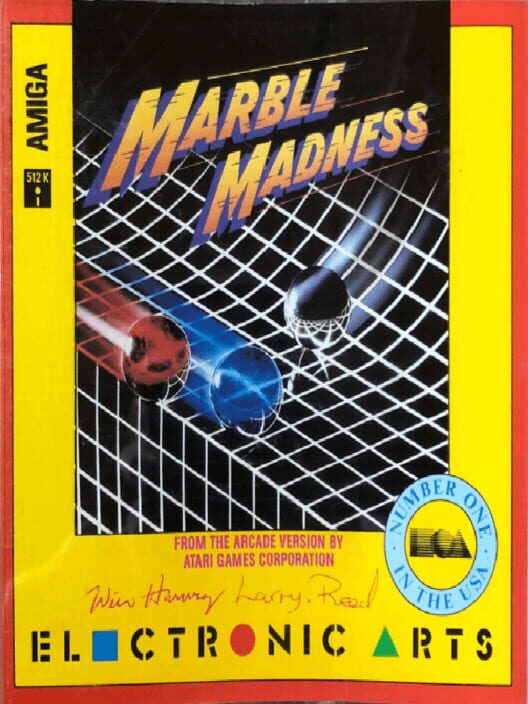
Precision-based isometric game, Marble Madness challenges players to guide a marble to the finish line despite obstacles, opponents, and traps, either solo or with a partner, across just six levels.
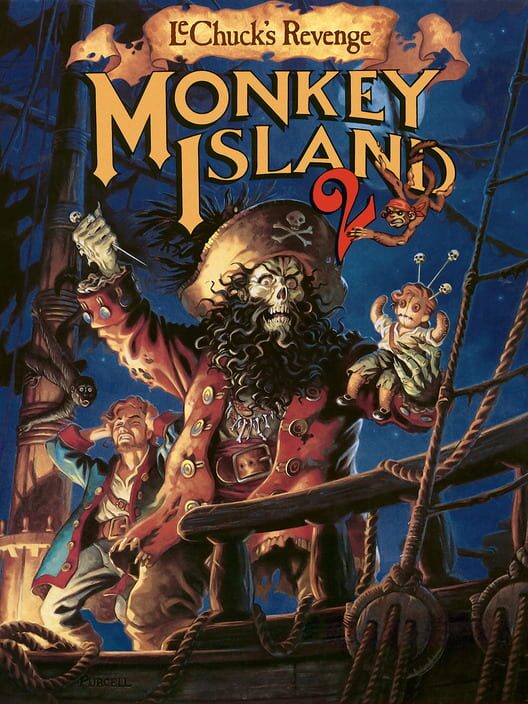
A sequel to Monkey Island, where Guybrush searches for the treasure of Big Whoop, featuring two difficulty levels and a legendary ending.
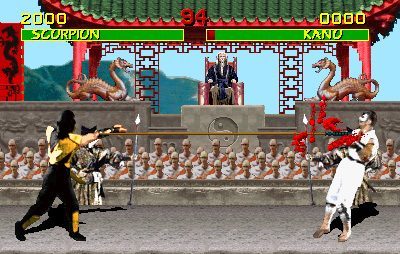
Released in 1992 for arcades before being ported to numerous platforms, Mortal Kombat established its digitized fighters, brutal combat sequences, and fatalities—sometimes censored on consoles.
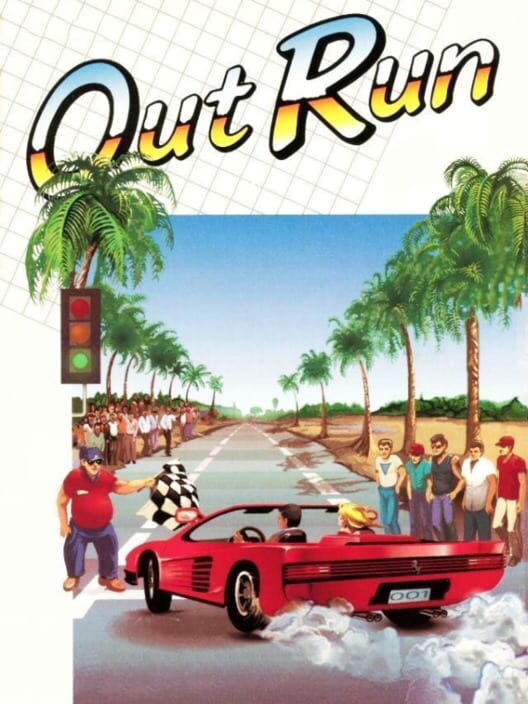
Arcade racing game released in 1986, OutRun features a Ferrari, branching paths, checkpoints, and four soundtracks, with adaptations for numerous platforms.
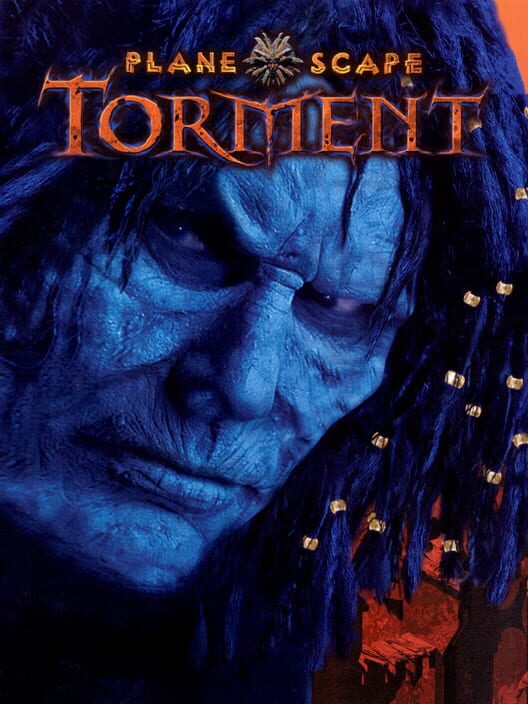
Role-playing game centered on writing: an immortal seeks to discover who they are, with most conflicts resolved through dialogue rather than the sword.

In 1989, Populous laid the foundations of divine management games: terrain shaping, civilization development, destructive powers, and battles up to Armageddon.
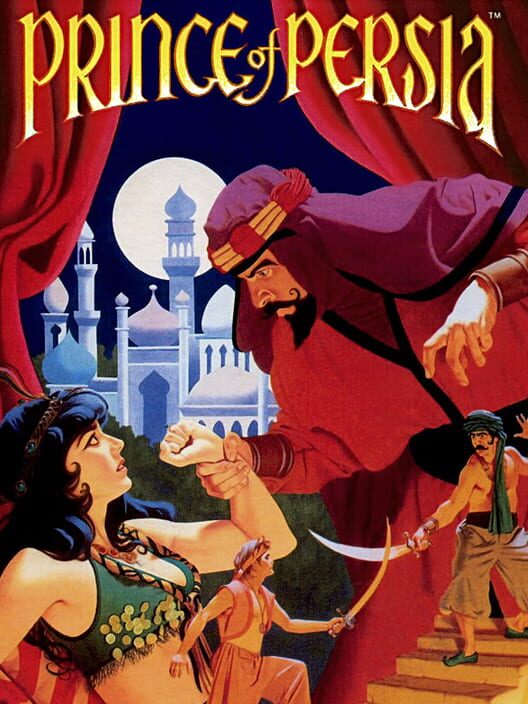
Cinematic 2D platforms: an hour to escape the dungeon, dodge traps, and face guards that look alike.
First-person 3D shooting: four Lovecraftian episodes, iconic weapons, and a multiplayer mode that popularized mouse usage.
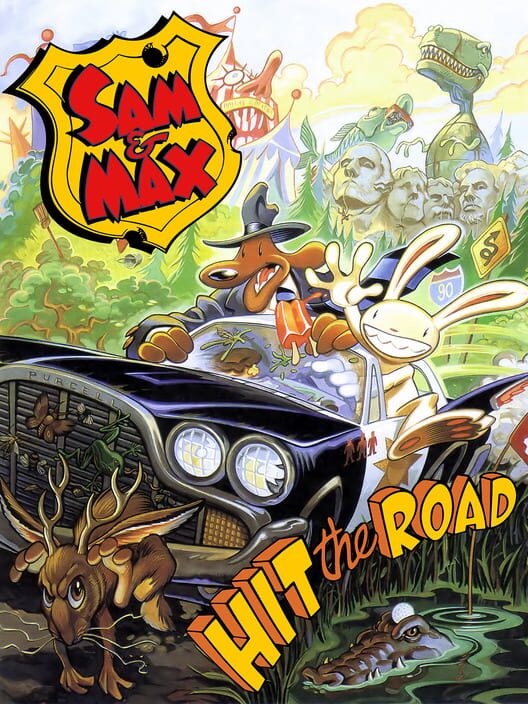
Burlesque adventure with a detective dog and a sociopathic rabbit on the trail of a snowman kidnapped by a circus.

Released in 1990 and later adapted for the Macintosh, Sid Meier’s Railroad Tycoon offers the challenge of building a railway company across multiple maps, at the cost of a five-floppy-disk installation.
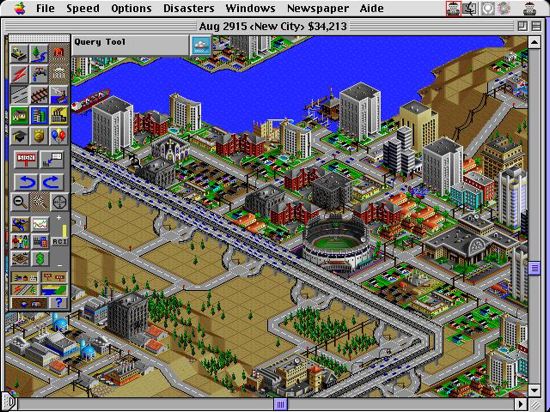
Urban simulation released in 1993, SimCity 2000 entrusts you with managing a city to build and balance between finances, public services, transportation, energy, and quality of life.
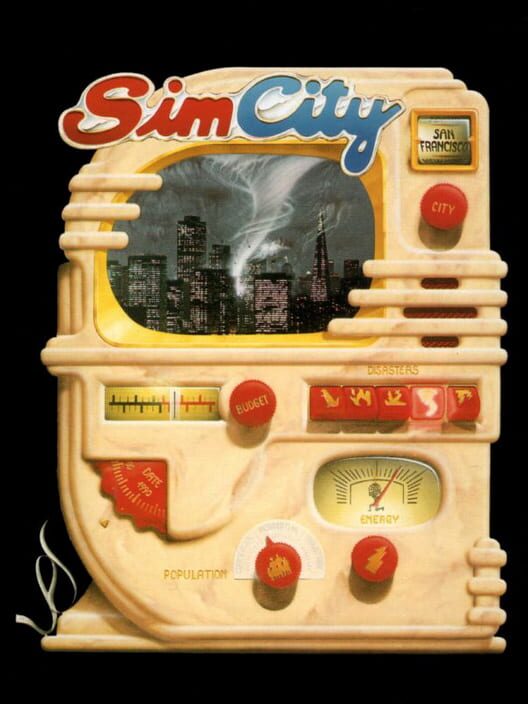
Foundational urban simulation: drawing districts, laying roads and power plants, then watching the city grow or collapse based on your decisions.
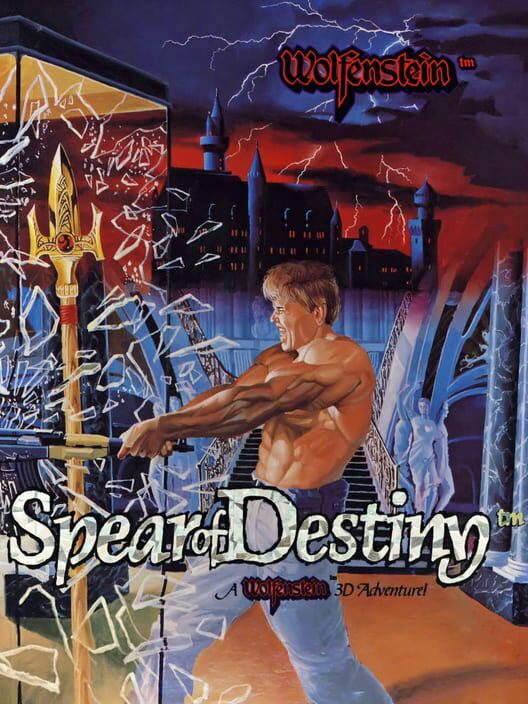
Prequel to Wolfenstein 3D: a commando must recover the Spear of Destiny from Nazis in about twenty levels and a few bosses.