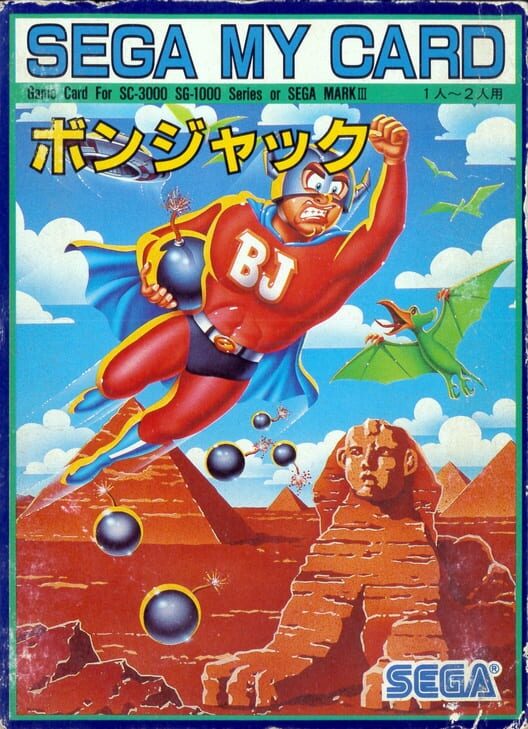
Bomb Jack
In 1984, Bomb Jack offers arcade-style screens where the player collects bombs under a time constraint while taking advantage of bonuses and the unique features of each level.
The whole game catalogue, reviews and short entries: every page says how to play it on a Mac.
21 games
In 1984, Bomb Jack offers arcade-style screens where the player collects bombs under a time constraint while taking advantage of bonuses and the unique features of each level.
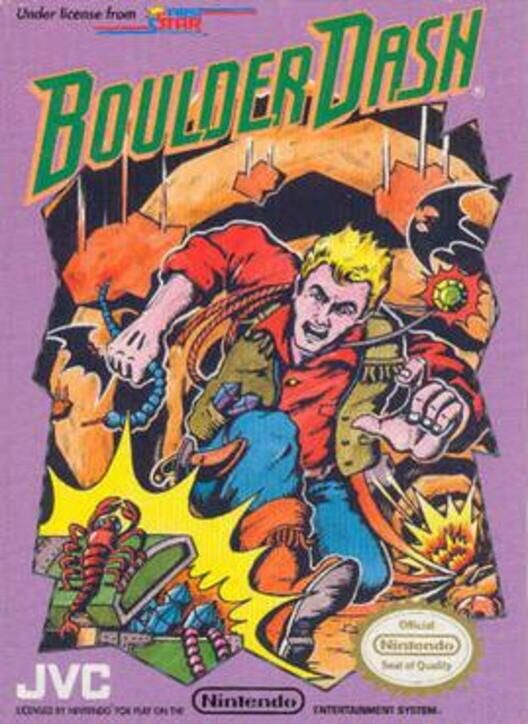
Released in 1984, Boulder Dash combines diamond collection, falling rocks, and traps in timed levels across a wide range of microcomputers and consoles.
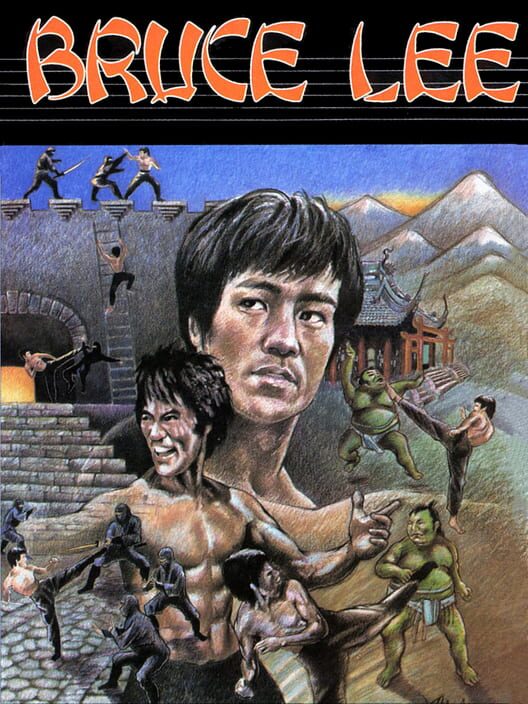
Released in 1984 on microcomputers, Bruce Lee combines platforming, electric traps, and battles against a ninja and a sumo wrestler. The game supports two-player mode, with one player controlling the opponent’s character.
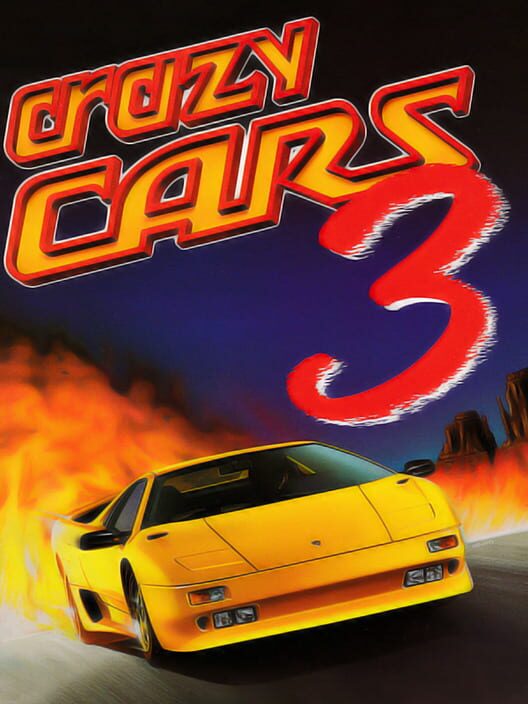
In 1992, Crazy Cars 3 left behind long highways for Lamborghini Diablo races on a single track, available on eight platforms, including the Super Nintendo and MS-DOS.
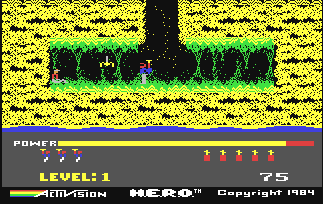
H.E.R.O. (1984) is an action-reflex game where a rescuer equipped with a jetpack explores trap-filled levels, destroys walls, and frees hostages on eight microcomputers and consoles.
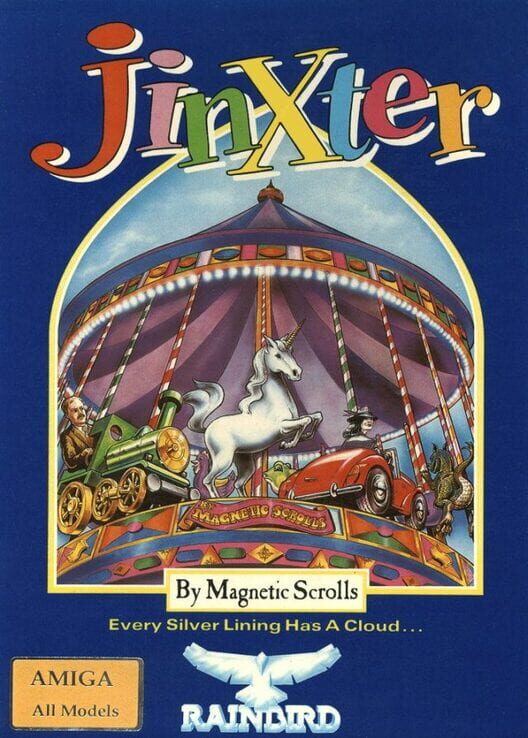
Interactive fiction with a humorous twist: find five talismans to save the world from chaos, featuring an absurd tone and chatty characters.
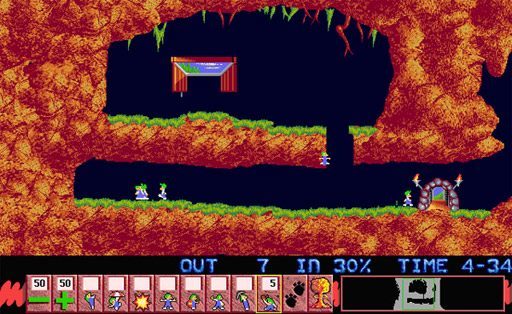
Lemmings (1991) offers guiding up to one hundred creatures through 120 levels by assigning them limited abilities to overcome obstacles and reach the exit.
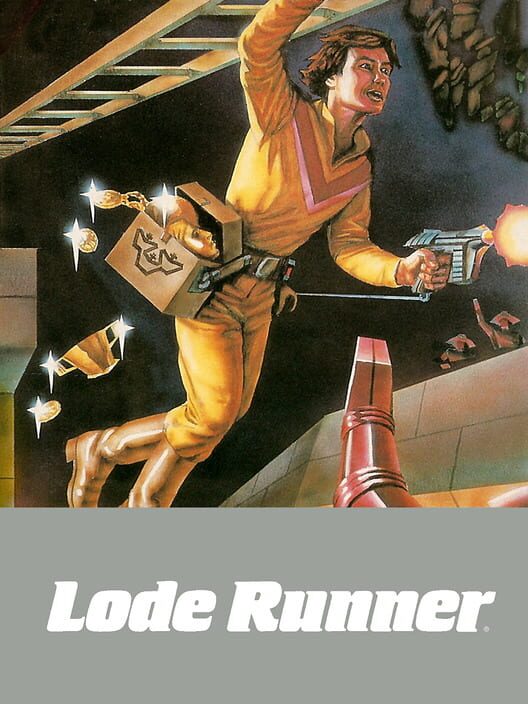
Released in 1983 on Apple II, Mac, and numerous platforms, Lode Runner combines gold collection, platforming, and trapping enemies using holes dug in the levels.
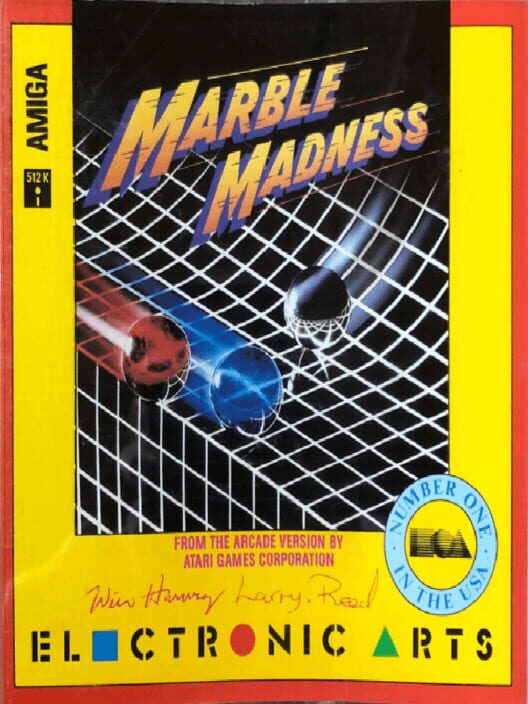
Precision-based isometric game, Marble Madness challenges players to guide a marble to the finish line despite obstacles, opponents, and traps, either solo or with a partner, across just six levels.
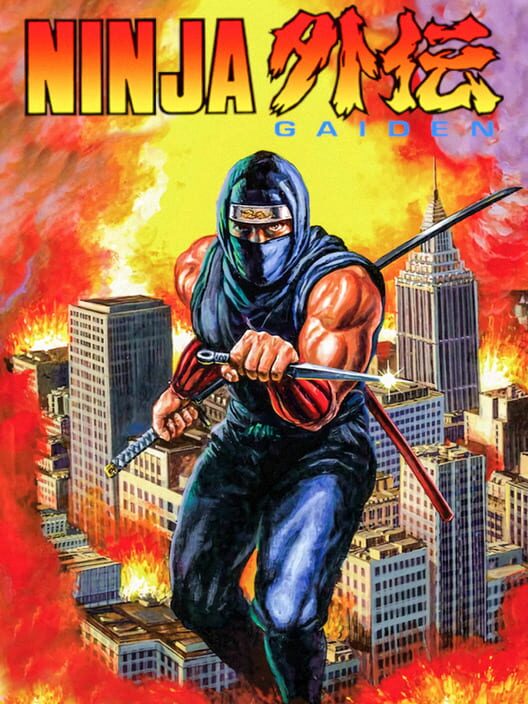
Ninja Ryu Hayabusa, his cinematic sequences, and his fearsome difficulty.
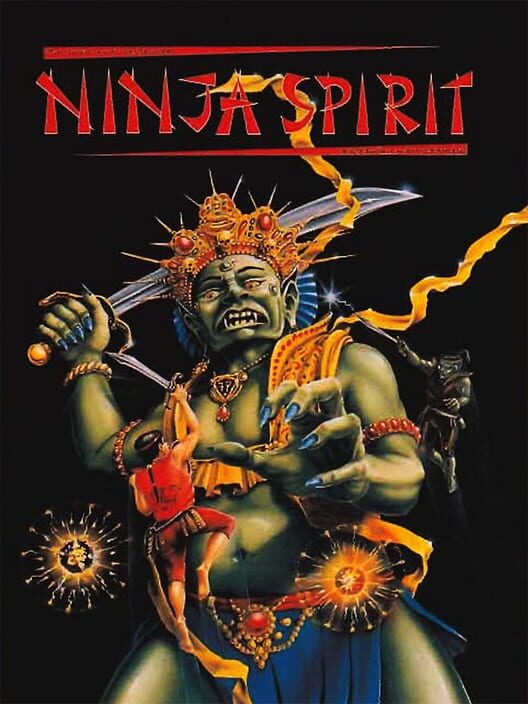
In 1988, Ninja Spirit offered a demanding arcade-style action set in a medieval Japan, where Tsukikage switches between four weapons, performs variable jumps, and uses clones to navigate through seven stages.
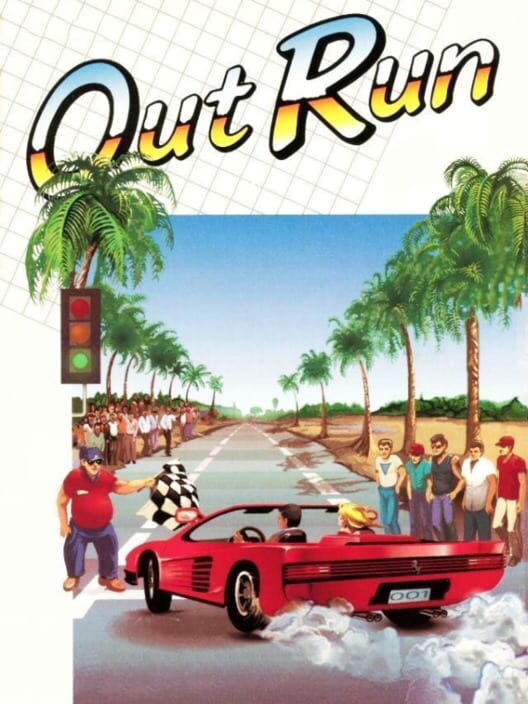
Arcade racing game released in 1986, OutRun features a Ferrari, branching paths, checkpoints, and four soundtracks, with adaptations for numerous platforms.
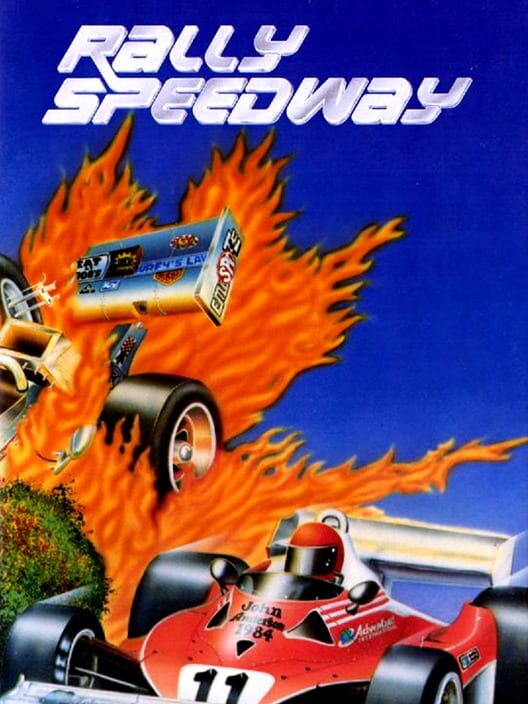
Released in 1983 for Commodore 64 and Atari 8-bit systems, Rally Speedway offers timed urban races, either solo or in split-screen co-op with reverse driving and spectacular collisions.
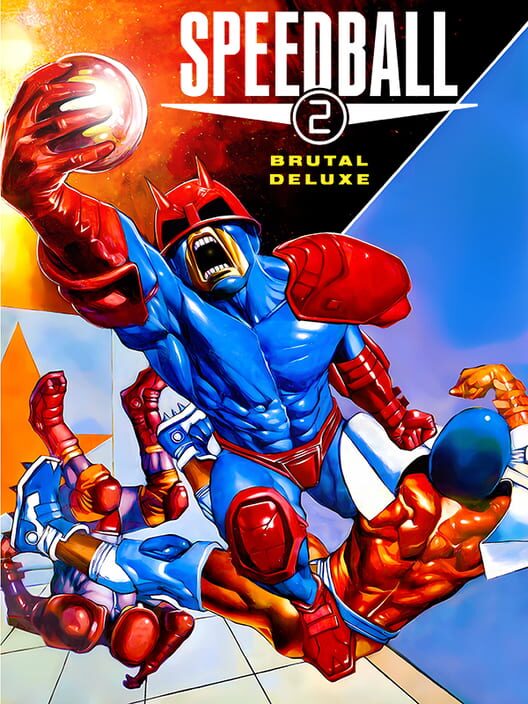
In 2095, SpeedBall 2 redefines football as high-stakes cybernetic battles where each team must blend equipment, passes, and strikes to score, whether playing solo or with a partner.
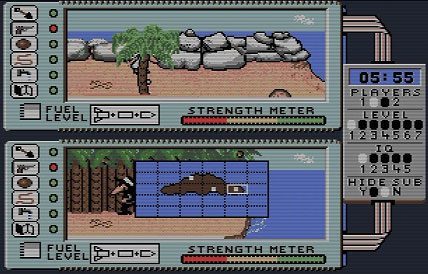
Born from a MAD comic strip, Spy vs Spy is a trilogy of confrontation games where two spies set traps and search for objects in a house, island, or ice field.
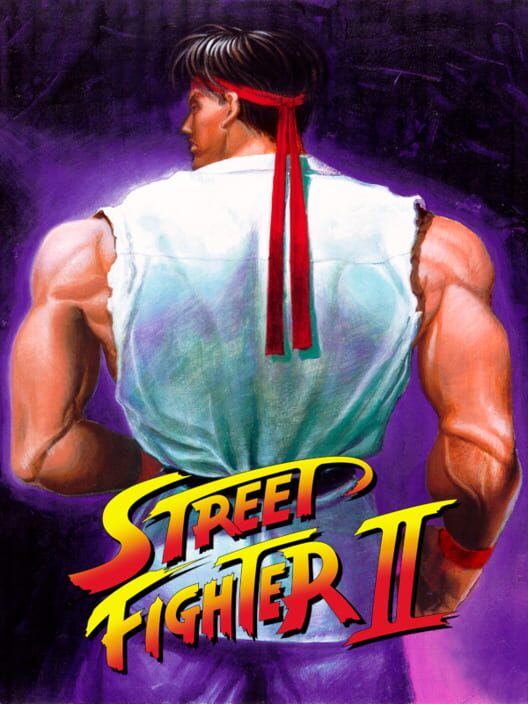
Released in 1991 on the CPS System and later ported to numerous platforms, Street Fighter II revolutionized fighting games with its one-on-one combat format, featuring distinct character playstyles and variants like Turbo and Super.

In 1989, The Duel: Test Drive II expanded automotive racing on microcomputers and consoles with two high-performance sports cars, a computer-controlled opponent, and diverse open roads.
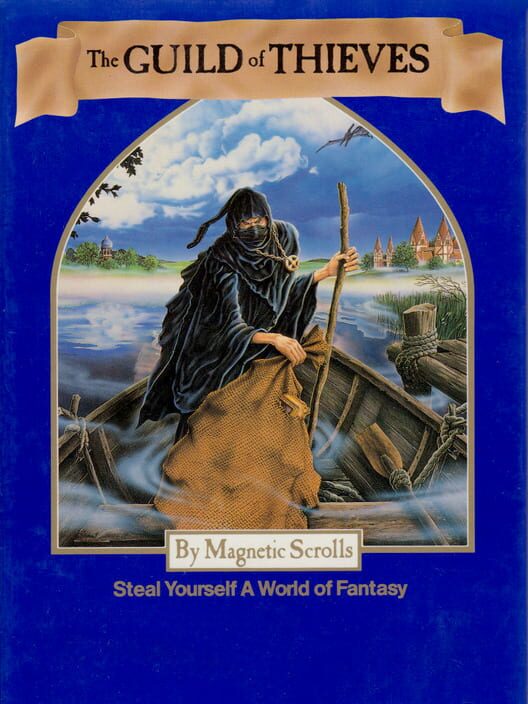
Interactive fiction: robbing a guild of thieves, solving its traps, and leaving with the loot in an illustrated world.
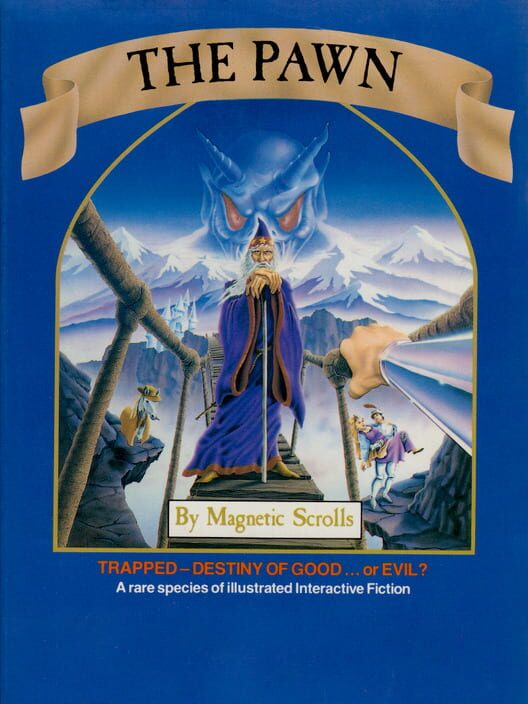
Interactive illustrated fiction: a dreamlike fantasy world, with hand-drawn visuals and a more flexible command parser than its predecessors.
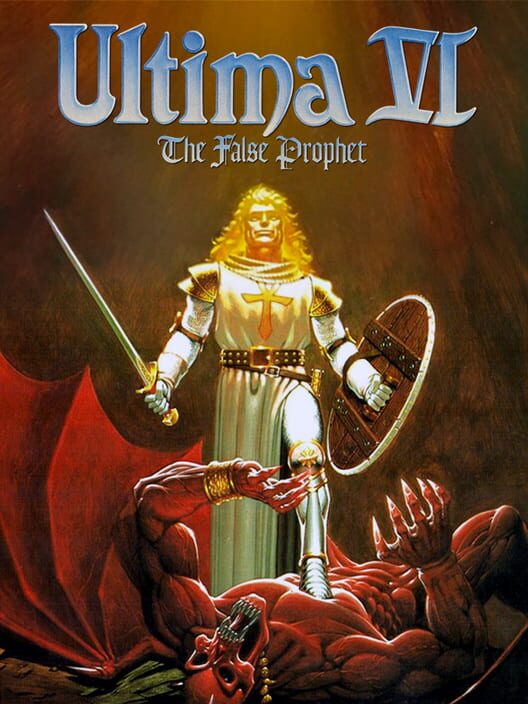
Role-playing game where Britannia is invaded by gargoyles: the world is continuous, with no combat screens, and every object can be picked up or moved.
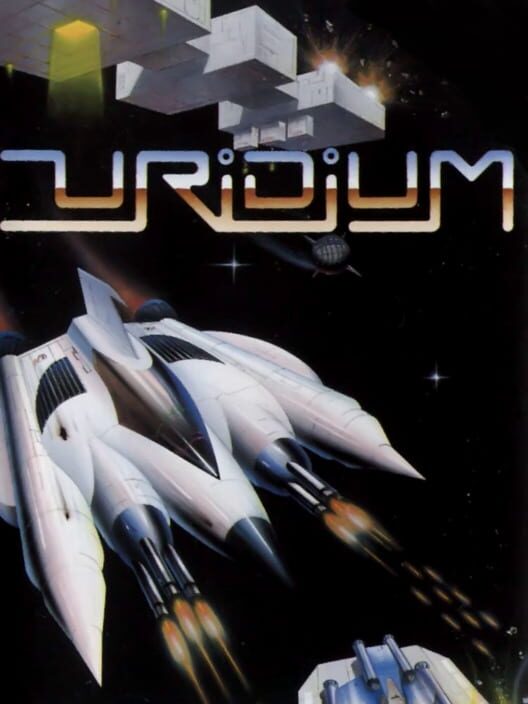
Uridium (1986) is a shoot 'em up ported to numerous platforms, including the Commodore 64, Amiga, NES, and Atari ST, featuring fast-paced levels and a highly crafted soundtrack.