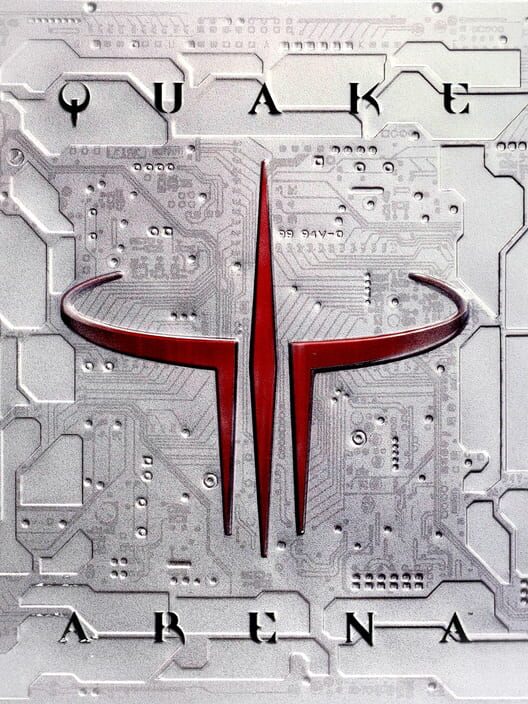
Quake III Arena
First-person shooter designed for arena combat: no story, adjustable bots, and objective-based modes, all at high speed.
The whole game catalogue, reviews and short entries: every page says how to play it on a Mac.
78 games
First-person shooter designed for arena combat: no story, adjustable bots, and objective-based modes, all at high speed.
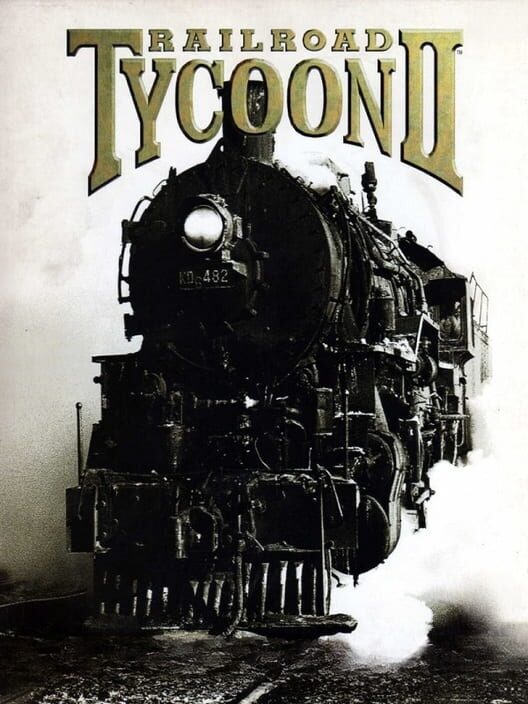
Railroad Tycoon 2 is a 1998 railway simulation game that blends railway route design, station management, freight transport, real estate development, and stock market speculation across Macintosh and other platforms.
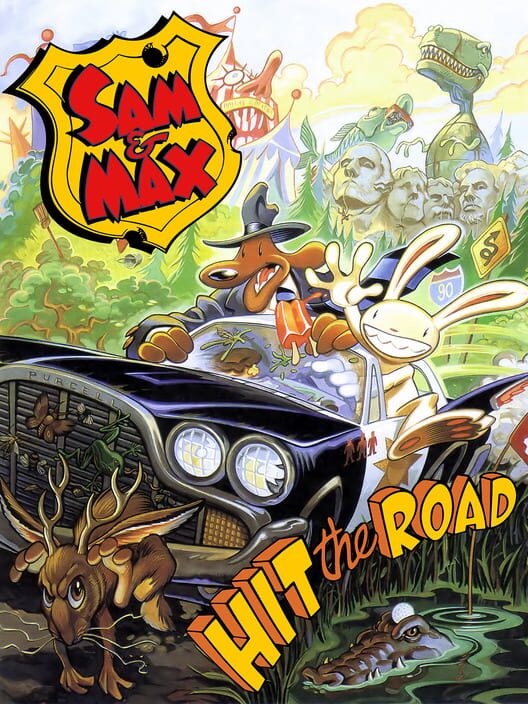
Burlesque adventure with a detective dog and a sociopathic rabbit on the trail of a snowman kidnapped by a circus.
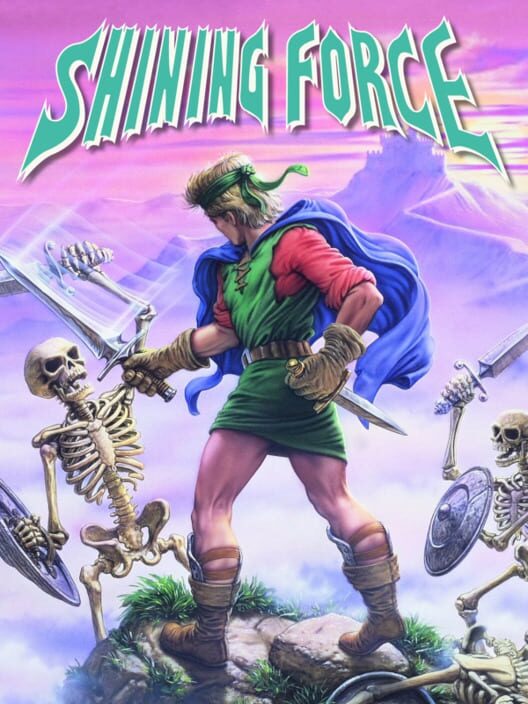
Released in 1992 for the Mega Drive, Shining Force combines top-down exploration with turn-based tactical combat, featuring a party with complementary classes and abilities.
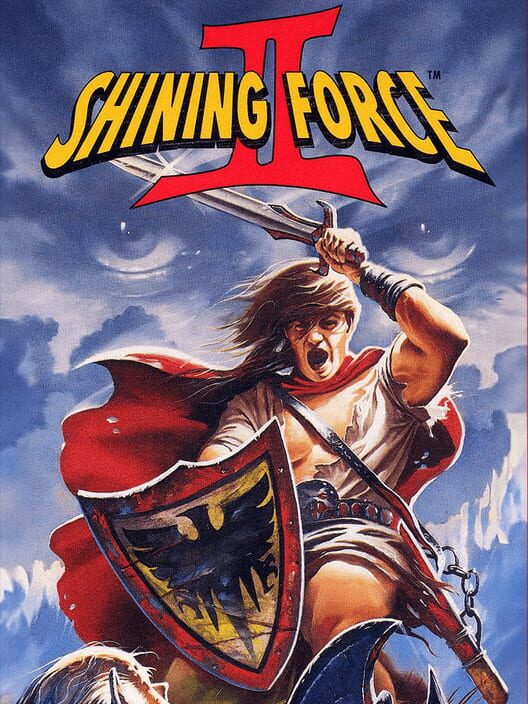
Released in 1993 for the Mega Drive, Shining Force II deepens the tactical RPG genre with an extensive narrative, a free-form progression system, and demanding battles that require careful team composition.
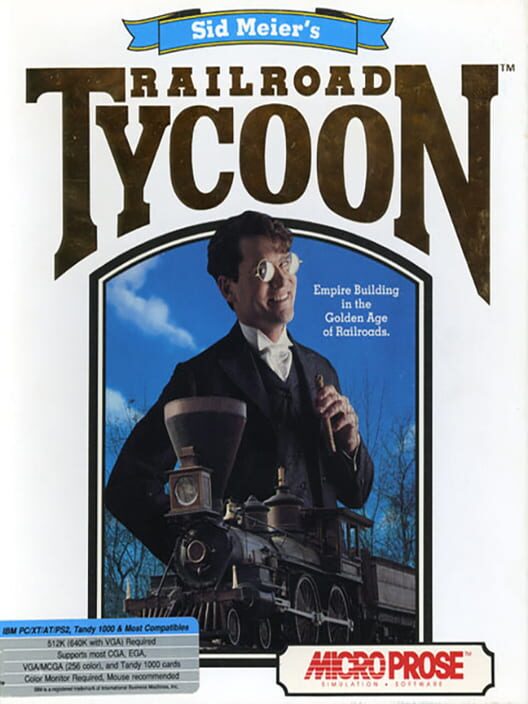
Released in 1990 and later adapted for the Macintosh, Sid Meier’s Railroad Tycoon offers the challenge of building a railway company across multiple maps, at the cost of a five-floppy-disk installation.
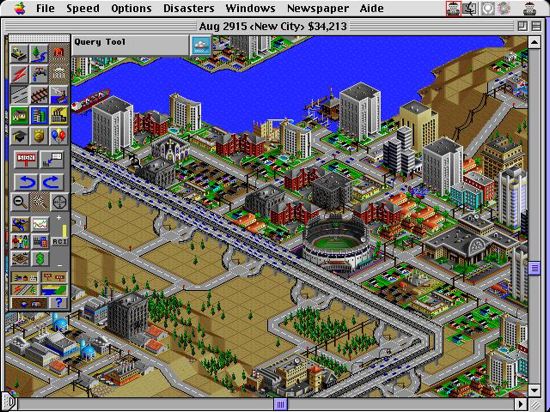
Urban simulation released in 1993, SimCity 2000 entrusts you with managing a city to build and balance between finances, public services, transportation, energy, and quality of life.
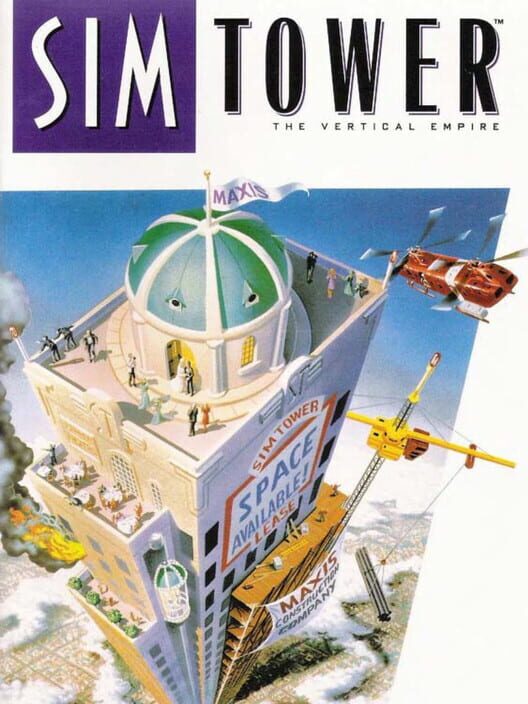
Sim Tower (1994) focuses on the micro-management of a 100-story building, balancing circulation, residential units, offices, and retail spaces, with a progression tied to objectives.
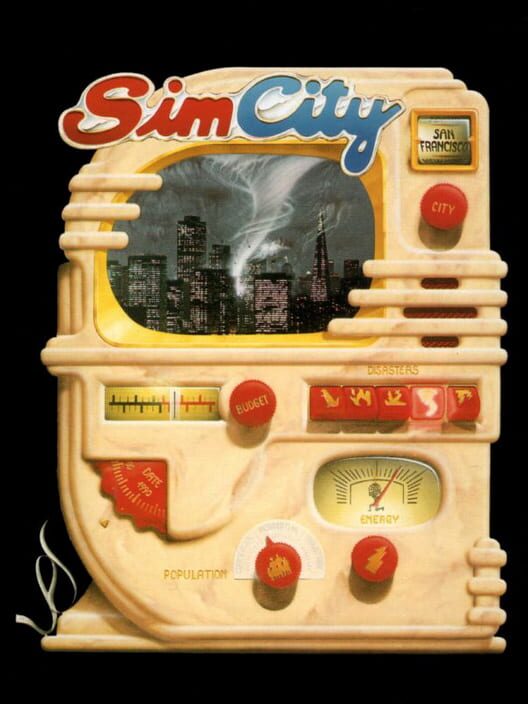
Foundational urban simulation: drawing districts, laying roads and power plants, then watching the city grow or collapse based on your decisions.
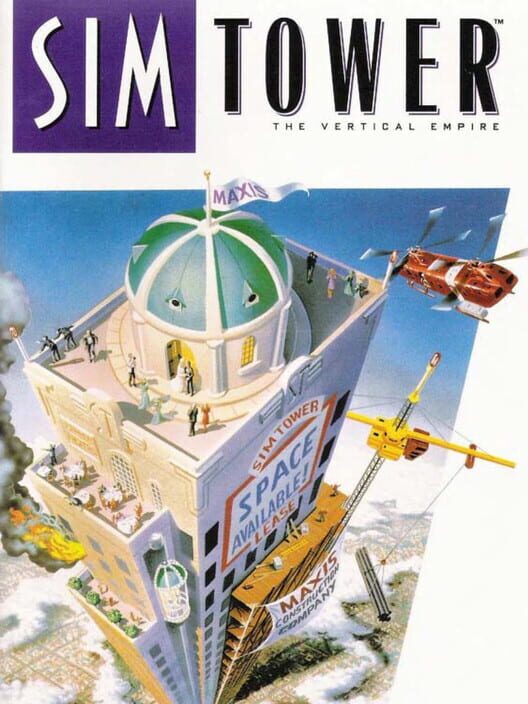
Vertical Management: Building a tower where offices, businesses, and residences coexist, with elevators whose logic determines success.
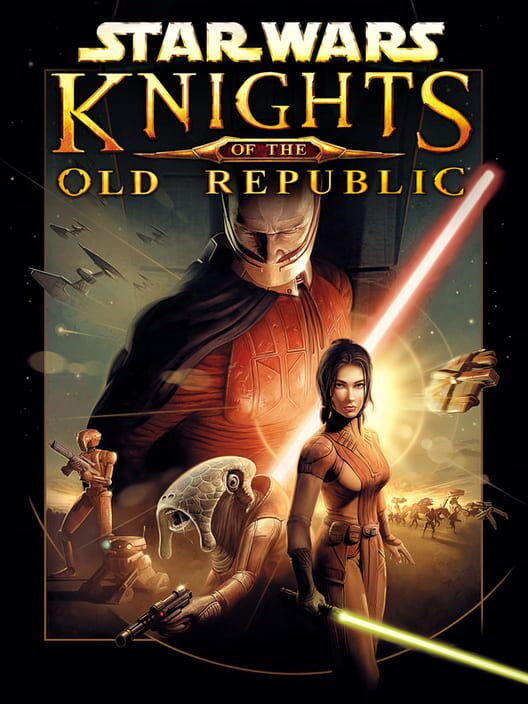
Role-playing in the Old Republic: assemble your team, choose between Jedi and Sith, and explore entire planets turn-based.
Sword adventure in the Star Wars universe: choose your species, class, and lightsaber, then alternate between missions and choices as a Jedi or Sith.
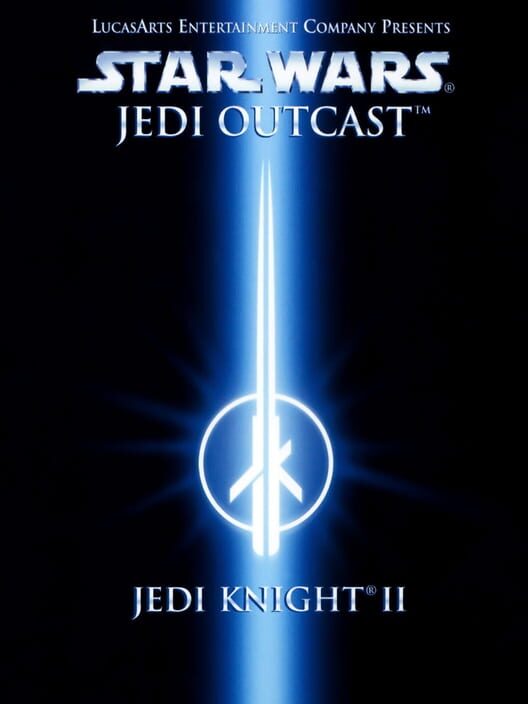
First-person adventures followed by lightsaber combat: Kyle Katarn investigates Imperial forces and regains his Jedi powers.
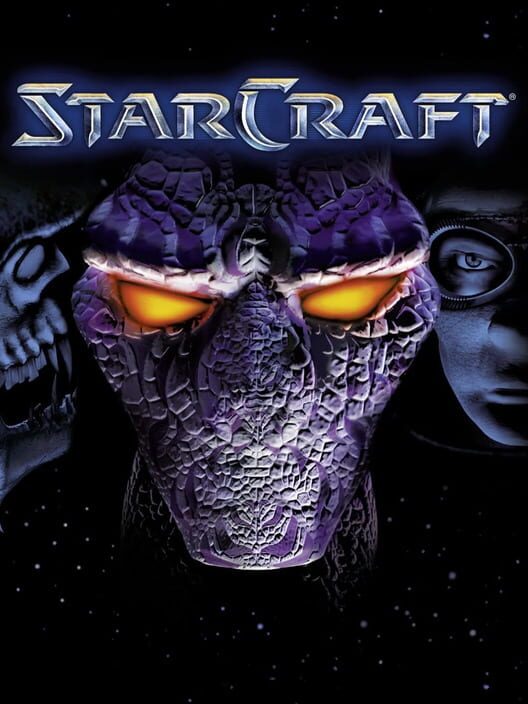
Real-time strategy featuring three highly asymmetrical races: three interconnected campaigns, a landmark multiplayer mode, and a legendary balancing act.
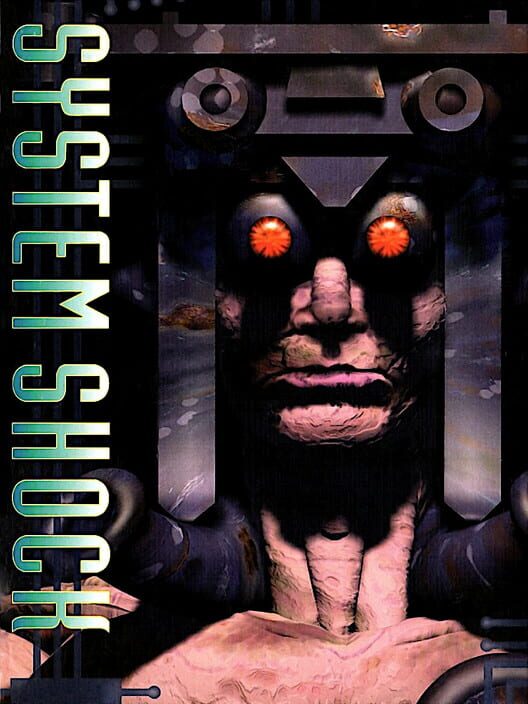
System Shock (1994) blends exploration, combat, and puzzles in the Citadel space station, where a hacker battles SHODAN, an out-of-control artificial intelligence.
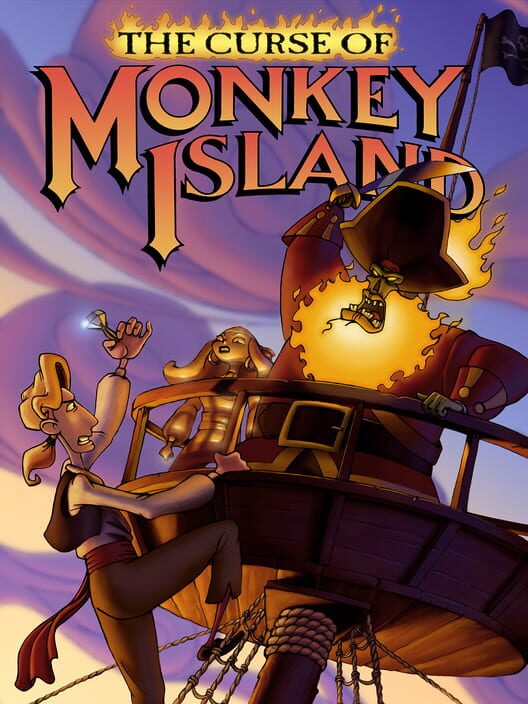
Third Monkey Island, hand-drawn: Guybrush must undo a cursed ring that turns Elaine into a golden statue.
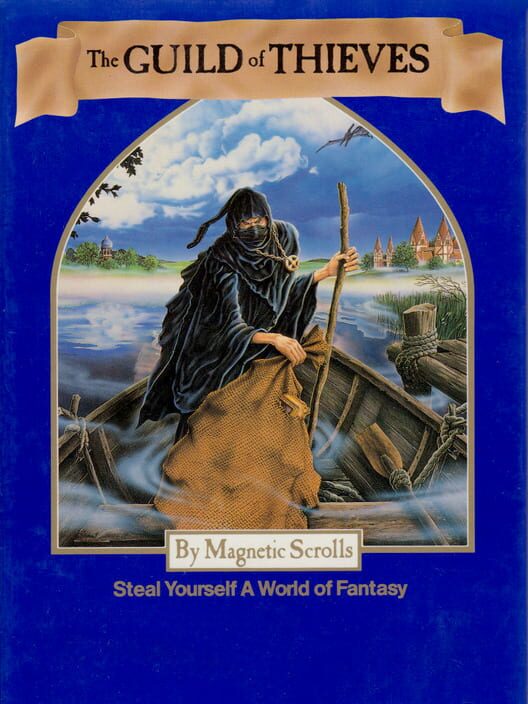
Interactive fiction: robbing a guild of thieves, solving its traps, and leaving with the loot in an illustrated world.
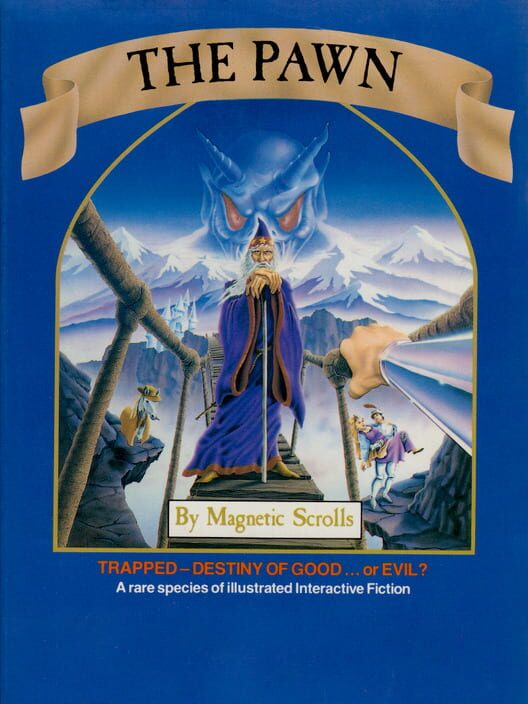
Interactive illustrated fiction: a dreamlike fantasy world, with hand-drawn visuals and a more flexible command parser than its predecessors.
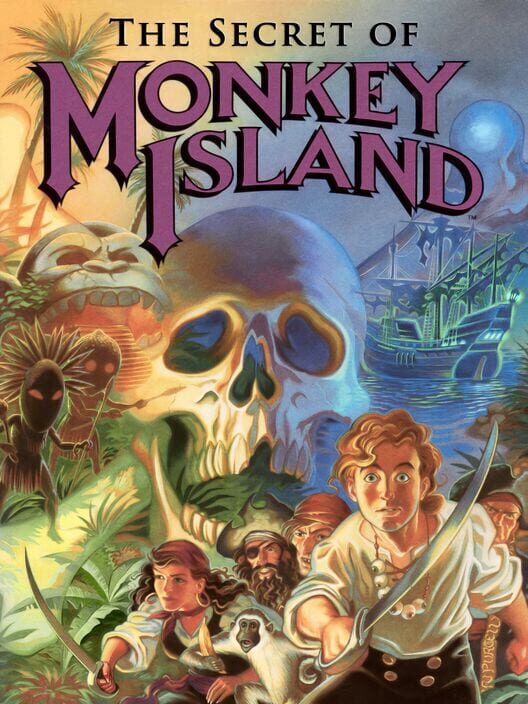
Pointer-and-click adventure: a young man dreams of becoming a pirate, fails the entrance exam, and sets out to reclaim his island’s helm.
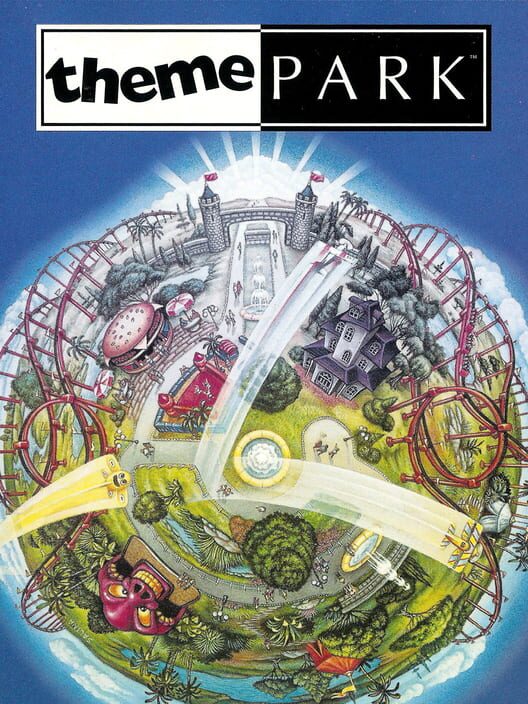
Released in 1994 for Macintosh and numerous platforms, Theme Park simulates the creation and management of an amusement park, covering landscaping, staff, finances, inventory, and visitors.
Narrative adventure in pixel art: two doctors alter the memories of a dying man, and the story gradually reassembles itself in fragments.
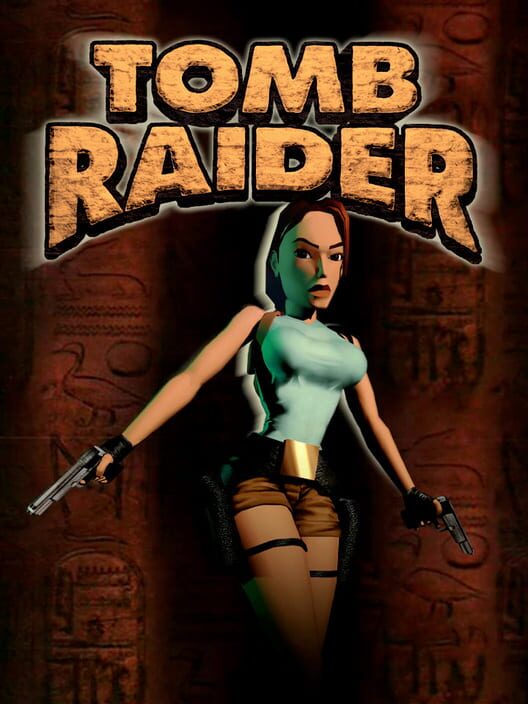
Exploration and platforms in tombs: Lara Croft jumps, climbs, and solves giant puzzles in search of an artifact.
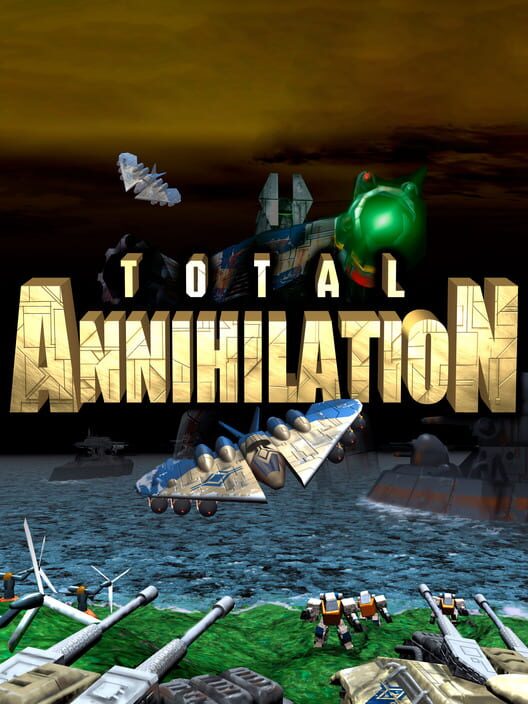
Real-time strategy on a large scale: hundreds of units, a fully 3D terrain, and robot battles across vast maps.
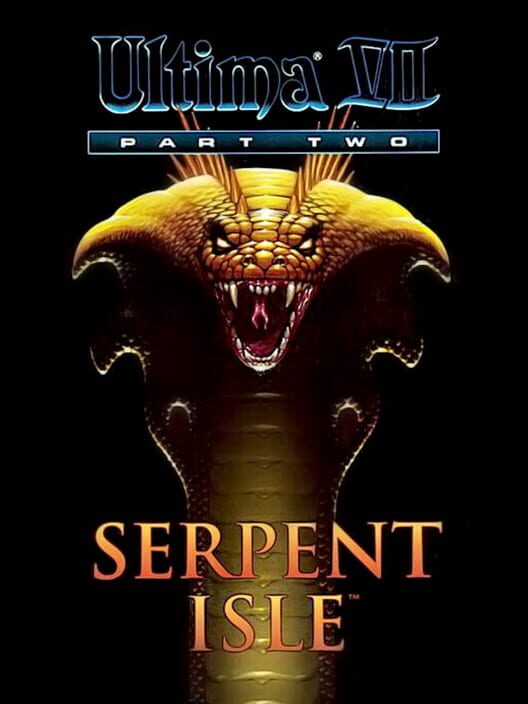
A direct sequel to The Black Gate: the Avatar pursues a traitor on a frozen island, with the same simulated world and a darker tone.