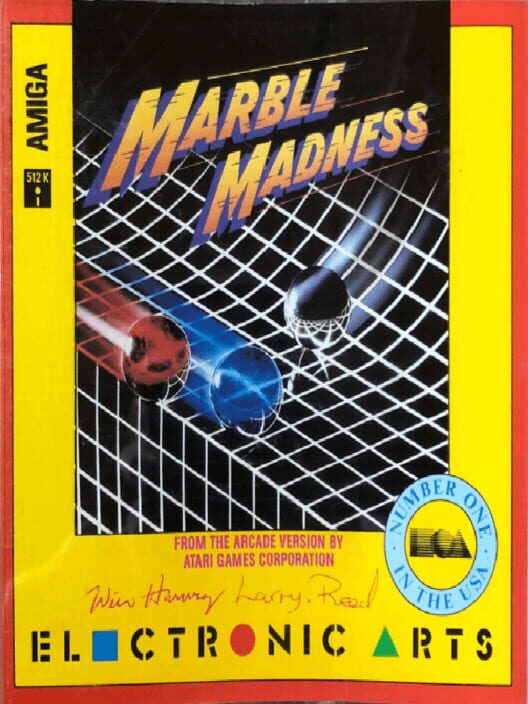
Marble Madness
Precision-based isometric game, Marble Madness challenges players to guide a marble to the finish line despite obstacles, opponents, and traps, either solo or with a partner, across just six levels.
The whole game catalogue, reviews and short entries: every page says how to play it on a Mac.
127 games
Precision-based isometric game, Marble Madness challenges players to guide a marble to the finish line despite obstacles, opponents, and traps, either solo or with a partner, across just six levels.
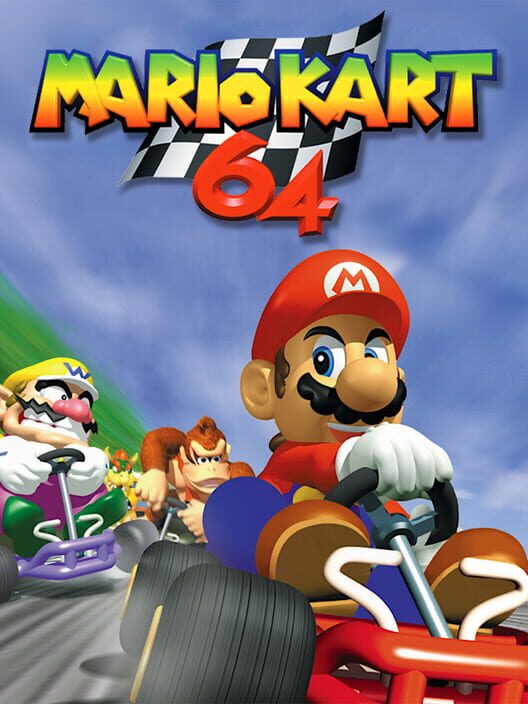
Mario Kart racing on Nintendo 64: four cups, items to slow down opponents, and a four-player battle mode in enclosed arenas.
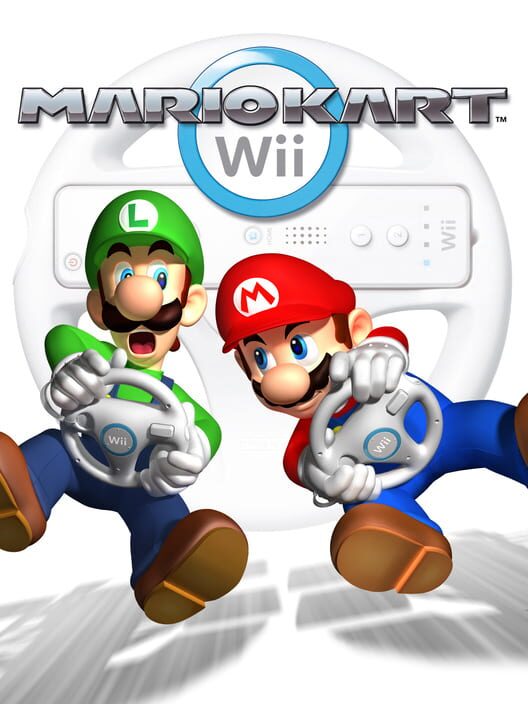
*Wii Kart racing: motorcycles, twelve competitors, and a steering wheel included with the game, which brought the series into family living rooms.*
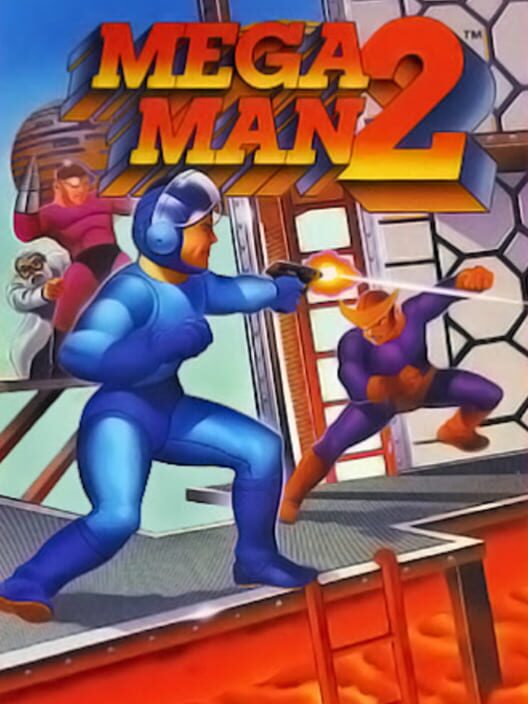
Eight Robot Masters, weapons to steal, and the best soundtrack of the NES series.
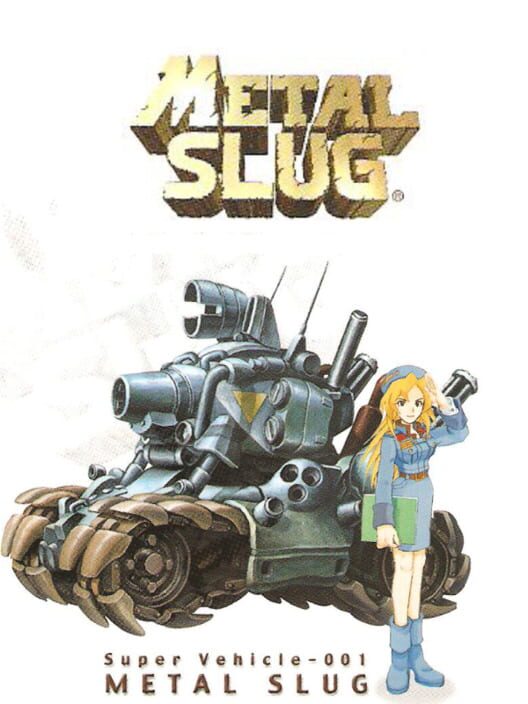
Released in 1996 for Neo-Geo, Saturn, and PlayStation, Metal Slug offers a linear and fast-paced run'n gun experience, enhanced by its vehicles, weapons, and a two-player mode ideal for scoring.
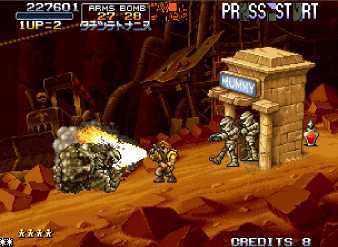
In 1998, Metal Slug 2 continued the run and gun action of its predecessor with four playable characters, new weapons, exotic enemies, and a few vehicles, without drastically altering the formula.
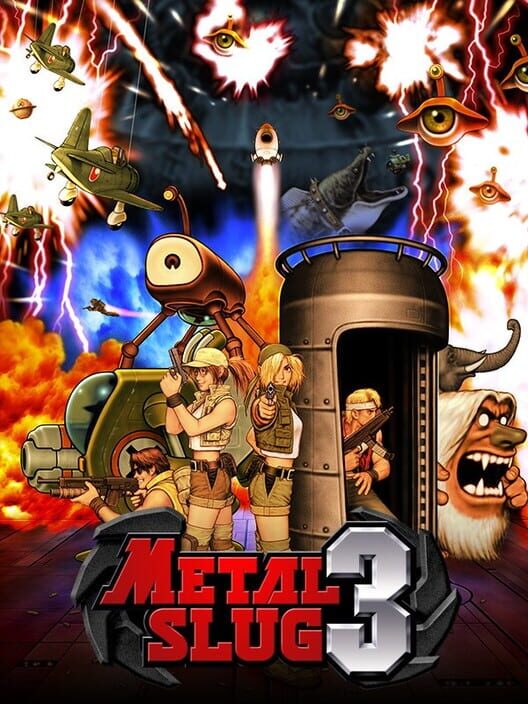
Released in 2000 on Neo-Geo MVS and AES, Metal Slug 3 expands the run and gun genre with diverse environments, unique vehicles, and a refreshed arsenal.
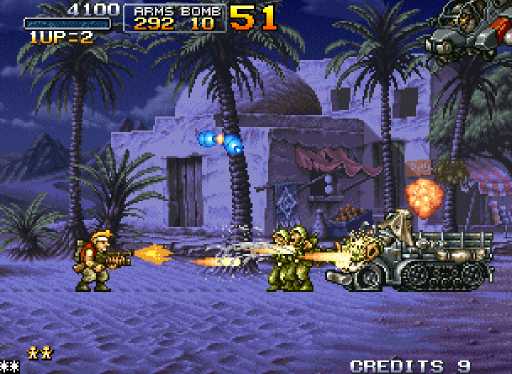
Metal Slug X revisits the stages of Metal Slug 2 by altering their atmosphere, enemies, and several weapons, offering a rebalanced version available on Neo-Geo, PlayStation, and Neo-Geo CD.
The non-linear action-adventure game that launched Samus Aran on the NES.
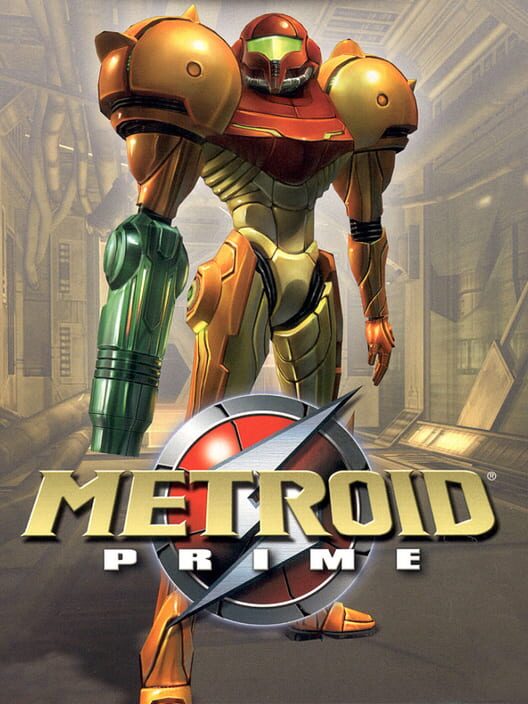
Adventure in first-person perspective within the Metroid universe: scan the wildlife, unlock doors and abilities, explore a hostile planet alone.
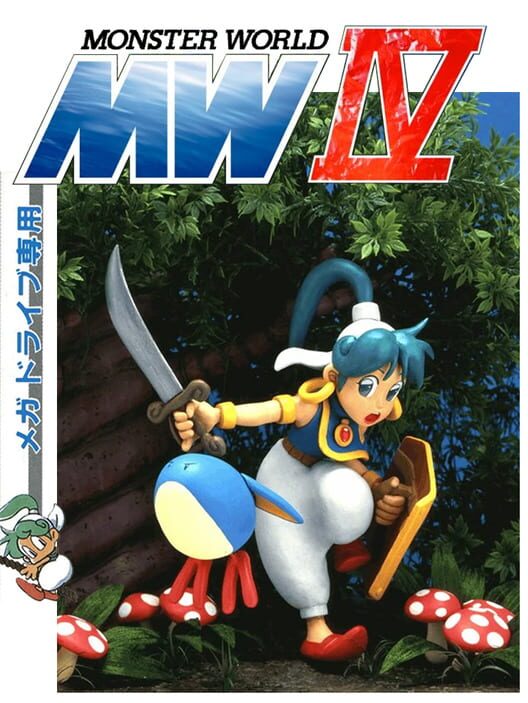
Released in 1994 for the Mega Drive, Monster World IV follows Asha on a vibrant action adventure, where enemy observation, gear management, and the help of Pepelogoo guide exploration.
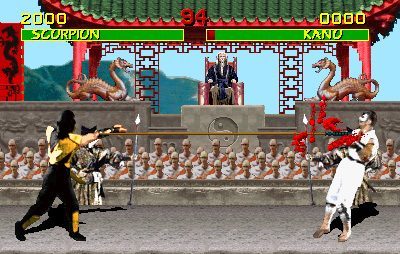
Released in 1992 for arcades before being ported to numerous platforms, Mortal Kombat established its digitized fighters, brutal combat sequences, and fatalities—sometimes censored on consoles.
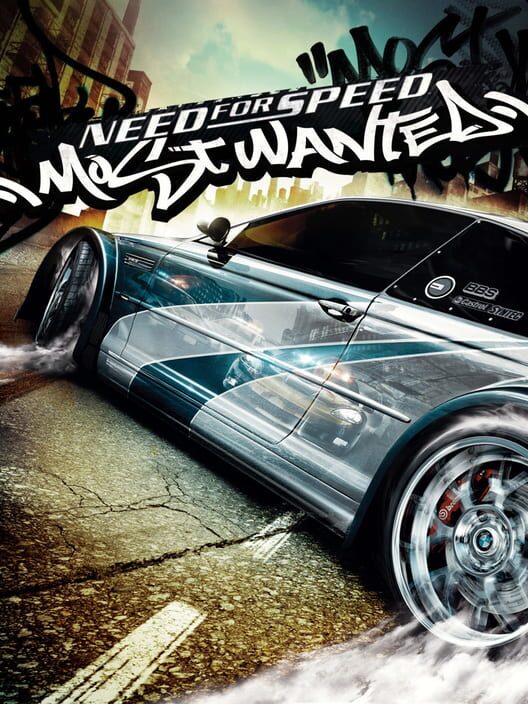
Open-world racing game where you aim to become the city’s most wanted driver, evading escalating police chases.
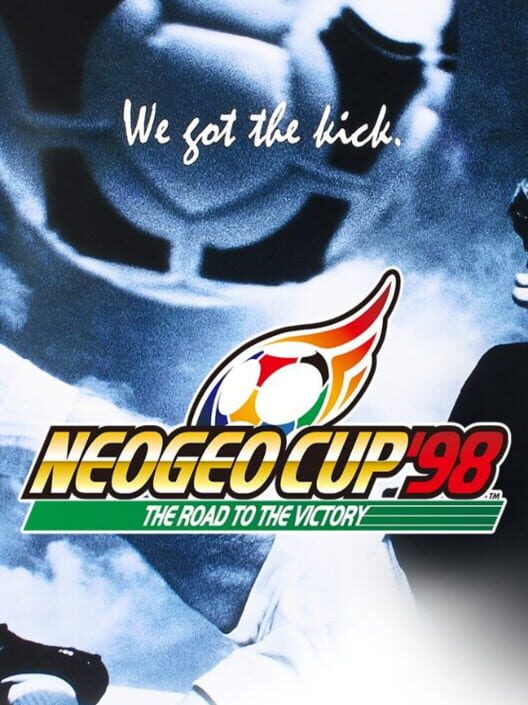
Released in 1998 for Neo-Geo AES and MVS, this fifth installment of Super Sidekicks emphasizes short, fast, and easy-to-access matches, featuring simple controls and a colorful 2D presentation.
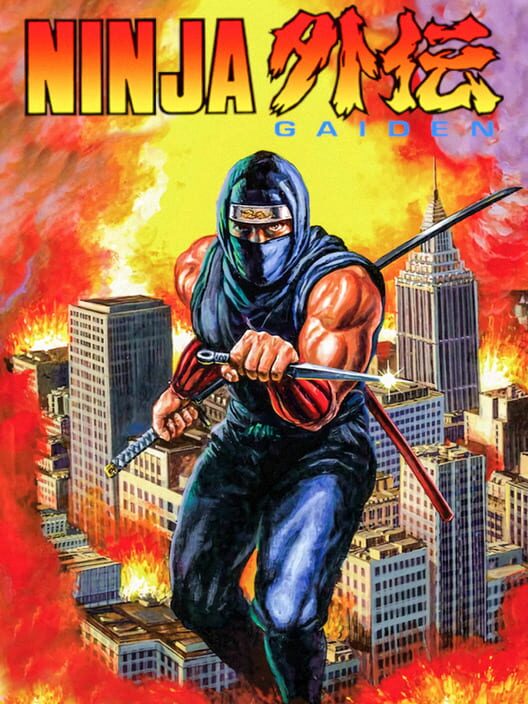
Ninja Ryu Hayabusa, his cinematic sequences, and his fearsome difficulty.
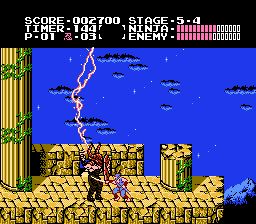
In 1988, Ninja Gaiden set the standard for the NES with its ninja narrative, groundbreaking cutscenes, six action-packed levels, and adaptations for Master System, PC-Engine, Game Boy, and other platforms.
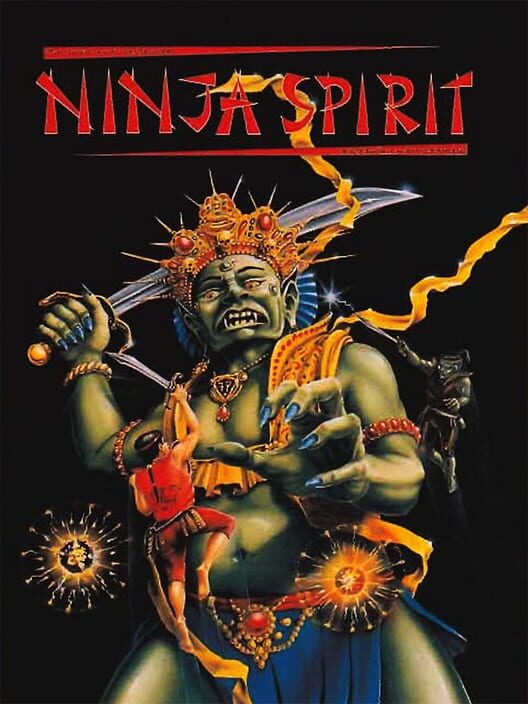
In 1988, Ninja Spirit offered a demanding arcade-style action set in a medieval Japan, where Tsukikage switches between four weapons, performs variable jumps, and uses clones to navigate through seven stages.
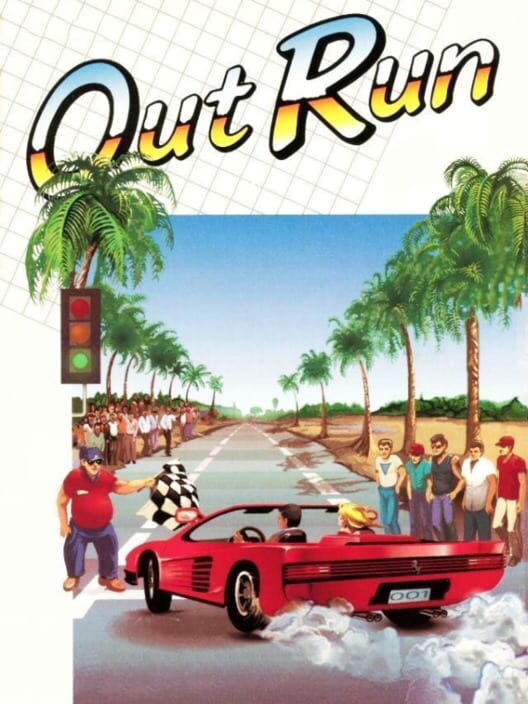
Arcade racing game released in 1986, OutRun features a Ferrari, branching paths, checkpoints, and four soundtracks, with adaptations for numerous platforms.
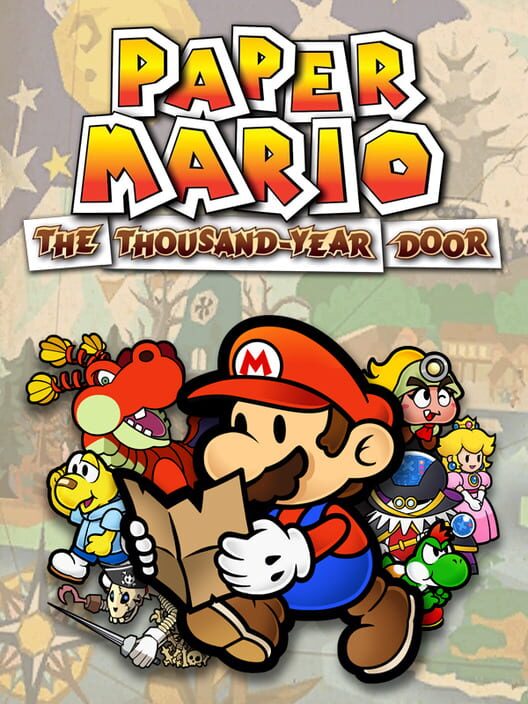
Turn-based role-playing game with a paper Mario: battles rely on timing, and the stage that serves as the backdrop turns against you.
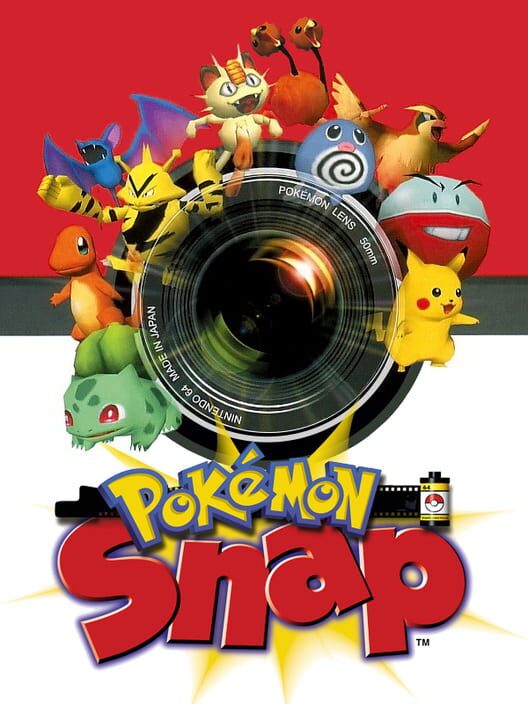
Pokémon Snap Emulation: Capture the Pokémon in their natural habitats by navigating routes with a camera and a stash of apples.
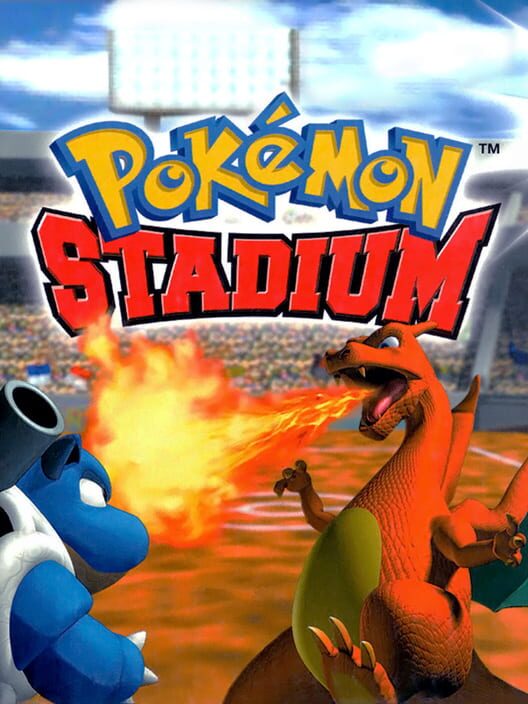
Fight Pokémon in 3D on a big screen: imported teams from Game Boy cartridges compete in tournaments and mini-games.
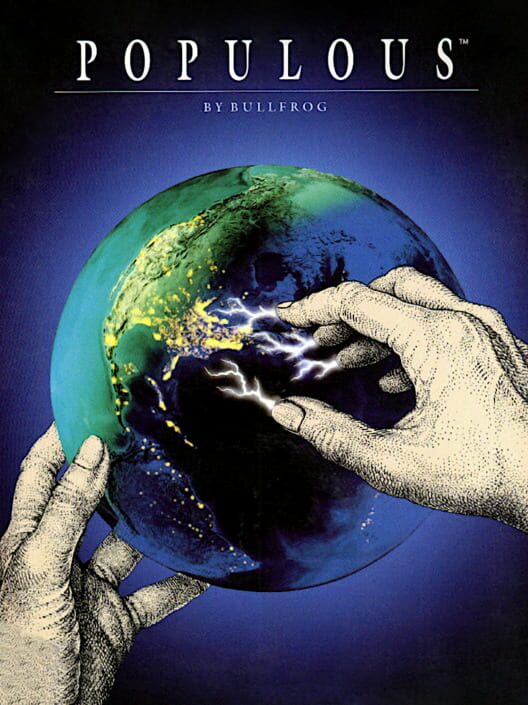
In 1989, Populous laid the foundations of divine management games: terrain shaping, civilization development, destructive powers, and battles up to Armageddon.
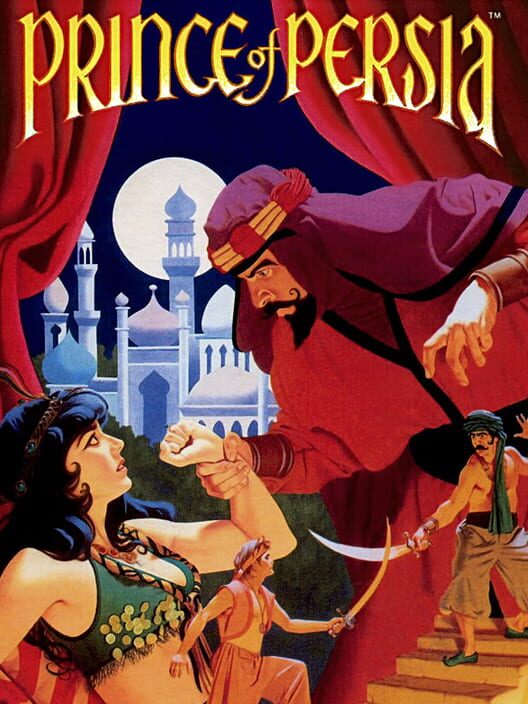
Cinematic 2D platforms: an hour to escape the dungeon, dodge traps, and face guards that look alike.
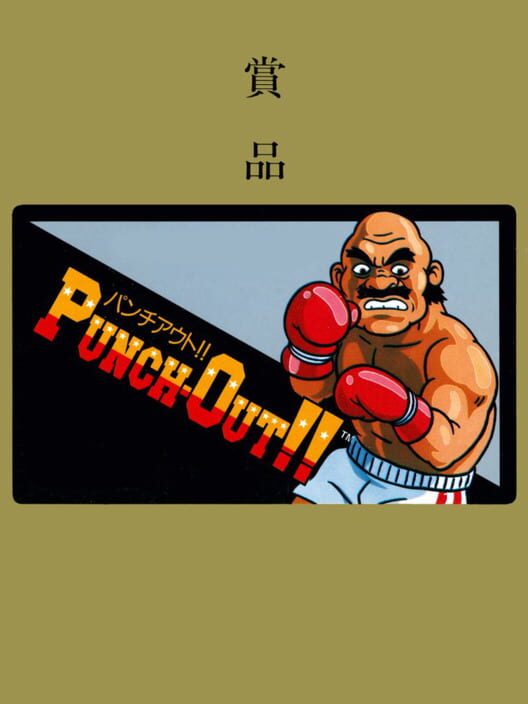
Little Mac’s boxing, with its memorization of diagrams.