The Legend of Zelda : The Minish Cap
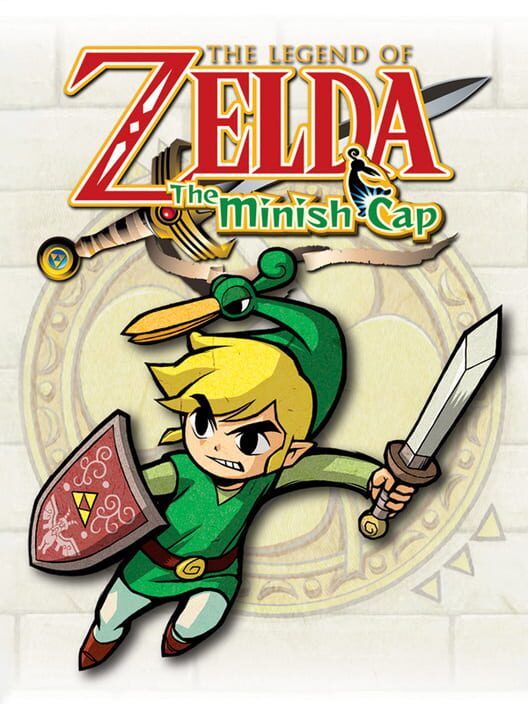
Le Zelda qui rétrécit, avec le bonnet parlant Ezlo.
Developer Capcom Publisher Nintendo
The Minish Cap exploite une idée simple : Link peut rétrécir pour explorer le monde des Minish, caché dans les objets du quotidien. Les donjons et les énigmes en profitent pleinement.
Son pixel art est superbe et son rythme très agréable. Un des meilleurs Zelda 2D, souvent sous-estimé.
Where it fits in time
The whole timelineWhat came out and what happened around 2004.
-
DOSBox reopens the DOS path
DOSBox emulates a complete DOS PC and restores access to the games and software of the era.
-
Atomiswave
Arcade · Sega
-
Dolphin takes on the GameCube
The Dolphin project opens GameCube emulation, then Wii, on Mac and PC.
-
QEMU generalises machine emulation
QEMU emulates whole architectures, from PC to PowerPC: it will become the base of many tools, including UTM on Mac and iOS.
-
PearPC runs Mac OS X on a PC
PearPC emulates a PowerPC and, for the first time, makes it possible to install Mac OS X on an x86 machine.
-
Mac OS X 10.4 Tiger
Spotlight, Dashboard, Automator: Tiger is the last major PowerPC release before the move to Intel.
-
Apple announces the move to Intel processors
At WWDC, Steve Jobs announces the end of PowerPC and a transition emulator: Rosetta.
-
Rosetta runs PowerPC on Intel
The first Intel Macs ship with Rosetta: PowerPC applications keep working without emulating the whole machine.
-
Boot Camp installs Windows on a Mac
Apple ships the tool that prepares a Windows partition: the Intel Mac can boot natively into the other system.
Play it on a Mac
1 Platform emulator
Show the 21 other emulators
An emulator being listed does not mean the game runs: every project keeps its own compatibility list.
Reply on the forum
A question or a hands-on report? Open the discussion on the forum.