What is Emulation?
The History of Emulation
The word "emulation" isn't as recent as one might think; its history is rather complex, and we will attempt to outline the main meaning of this term.
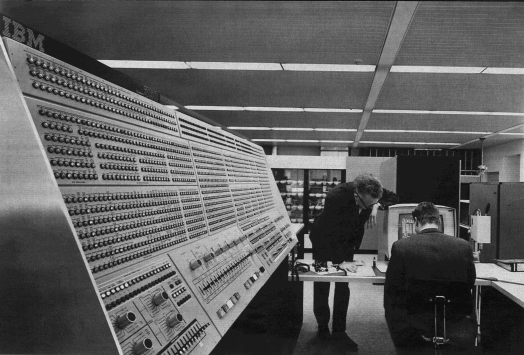
In the 1960s, companies equipped themselves with enormous computers to perform their calculations. Electronics were in full evolution, and the components of these massive calculators were totally different from one model to another. Despite this technological progress, this posed a major problem for the customers of the manufacturers of the time. With each replacement of a configuration for a more advanced one, there was an additional development cost. Indeed, since the machines were so different, programming was just as varied and required, in addition to the creation of new products, a complete overhaul of the old ones to support the new architecture.
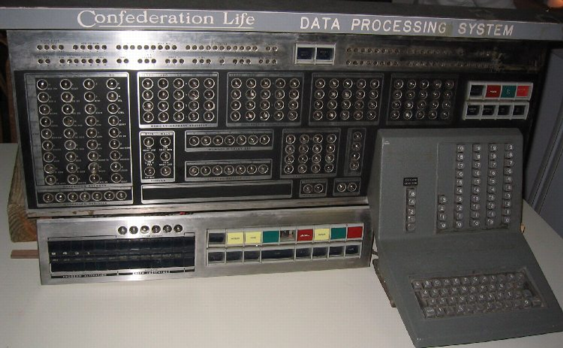
At that time, computers were beginning to become more accessible, but their cost remained relatively high, and few individuals owned a computer at home. The difficulty of use, moreover, reserved such purchases for enthusiasts.
In 1962, IBM learned that a user had managed the feat of modifying the hardware of their IBM 705 to make it compatible with older software. IBM understood the full potential of this need and the marketing weight it could have during a purchase. The company therefore decided to design their next computer in such a way that it could run software already compiled on the older models.

Late September 1963, IBM began developing in La Gaude, France, one or more software programs simulating the behavior of its seven flagship computers. Unfortunately, and as could be expected with hindsight, the tests are not conclusive, with simulation struggling to exceed 50% of normal speed.
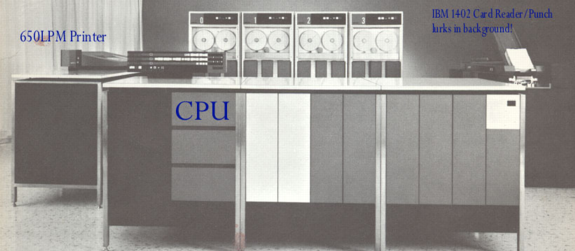
Bad news never comes alone for BigBlue (IBM’s nickname), as Honeywell released the H-200, a computer capable of running IBM programs. There was no more time to lose; the investment in research and development risked not yielding the expected return if the project was released too late.
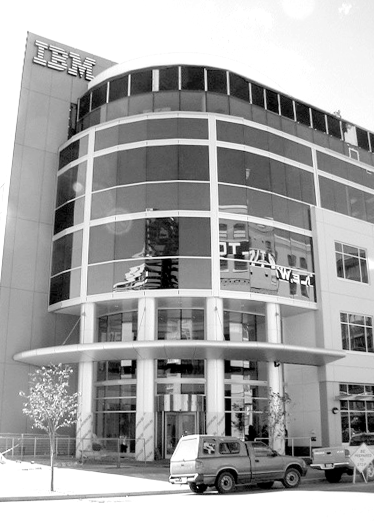
Fortunately for the company, a young and promising talent, Larry Moss, proposed a theory suggesting that the solution should be a combination of hardware and software. The two had to be as close as possible to the old machines being simulated. This theory proved correct in practice.
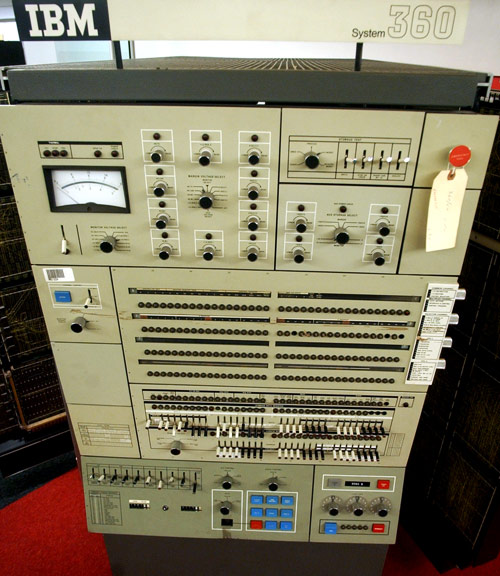
This led to the creation of the System/360. This time, during a computer upgrade, programs ran perfectly without any loss of performance. Given that the project was even more successful than simulation, the term used was then emulation.
Given that the project was even more successful than simulation, the term used was then emulation.
Emulation today
As explained above, emulation initially was a hardware solution. It was the machine’s components that allowed understanding and translating old instructions into new ones. This technique is still used and is well-known in the gaming console world, for example, the Sega Master System adapter for the Mega Drive.
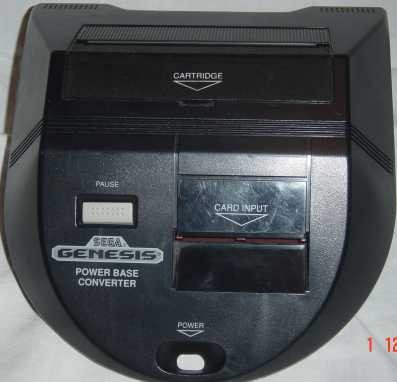
Times have changed, as has the hardware, which has evolved at a breakneck pace. Machines have become more powerful, sometimes at the expense of backward compatibility.
Technological arms races are relentless, and computing and other digital products have become mainstream to our collective delight (?). Many consoles and computers have suffered more or less from this competition. Some were discontinued almost overnight despite not being particularly bad (marketing now often overshadowing technical quality), while others have become legends, and a few have emerged and established themselves. Today, many of us have a microcomputer of varying power and have experienced a period—not so distant—where we could play on a console or use a computer that no longer exists in today’s reality. Sometimes, we feel a bit nostalgic and would like to revisit them, but hardware has evolved so rapidly that emulation as practiced by IBM is no longer viable, especially from a financial standpoint. However, as processing power continues to increase, it is now possible to engage in software emulation without significant performance loss on "older" machines—or with a bit of cheating, such as disabling all images. This is how nostalgic developers began creating emulators for various platforms (Windows, Linux, macOS, etc.). Today, when we talk about emulation, we almost always mean software emulation, and this is no exception on our Apple-branded machines, as evidenced by our [emulators section](https://example.com/emulateurs). *P.S.: For more on the history of emulation, I recommend Zophar’s [English article](http://www.zophar.net) or Grospixels’ [French article](http://www.grospixels.com/).*Reply on the forum
A question or a hands-on report? Open the discussion on the forum.